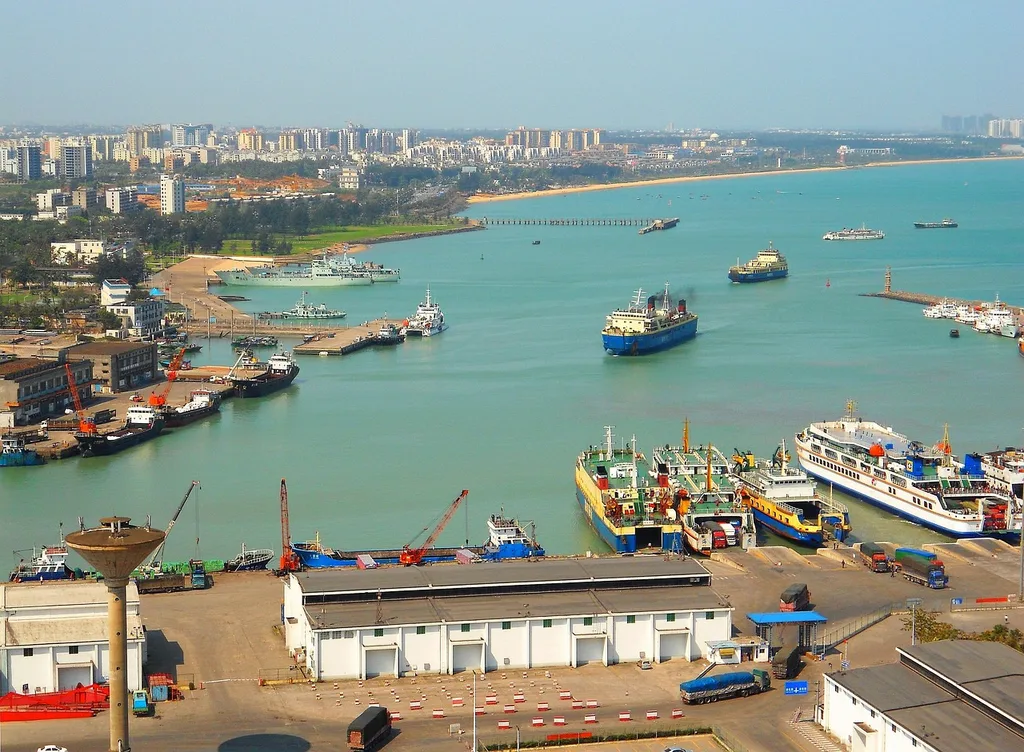

At noon in Hainan, in the pepper fields of Chongxing Town, Wenchang, vines climb upward along stone pillars.This year, Fu, the owner of this field, signed a contract unlike any he had signed before: before the harvest, the buyer had already specified the variety, maturity, and moisture standards in the agreement—and locked in the price in advance.Fu said that after more than a decade of growing pepper, this was the first time he didn’t have to wait until the harvest was over to worry about “who to sell to and at what price.”This contract came from Hainan Yingtian Fangzhou Agricultural Technology Co., Ltd.Founded in 2026 and registered in Haikou, the company’s mission is not complicated to describe—it connects the production end with the consumption end in a truly meaningful way.
Policy Direction: Sell Smart, Not Just Grow More
The year 2026 marks the start of Hainan’s “15th Five-Year Plan.” The Provincial Party Committee’s No. 1 Document has laid out a systematic plan for agriculture, rural areas, and farmers, explicitly calling for leveraging the farmer-linking mechanisms of HaiKen Group and the Provincial Supply and Marketing Cooperative to advance order-based agriculture.Provincial special meetings have also repeatedly emphasized the need to shore up weak links, extend chains, and open up channels in distribution—accelerating the building of a smooth circulation system from production areas to markets.Translated into plain language for the fields, these policy directives come down to one simple idea: don’t leave farmers to only grow—someone needs to handle the selling.Yingtian Fangzhou is stepping into exactly this gap.The company has chosen to focus on several of Hainan’s signature crops—pepper, young coconuts, passion fruit, and sweet potatoes—signing purchase agreements with planting bases and farmers before the harvest season. Standards are communicated upfront, and prices are locked in ahead of time.
Behind the Order: Taking Standards to the Field
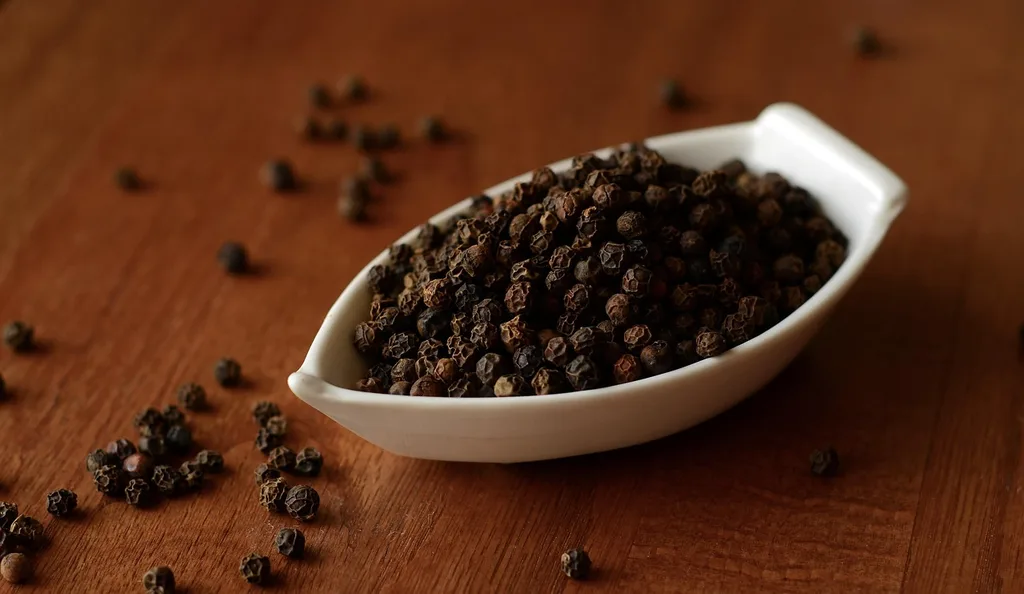
Take pepper as an example. Under the traditional smallholder model, sulfur fumigation after harvest and mixed-quality packaging were the norm. When buyers arrived, they drove down prices, leaving farmers with little room to negotiate. Yingtian Fangzhou’s approach is to move quality control requirements upstream: sulfur-free processing, manual screening to remove defective fruit and impurities—these standards are communicated to farmers when the contract is signed, rather than being picked apart at delivery.The problem with many agricultural products isn’t in the growing—it’s that farmers don’t know what buyers want when they plant.The logic for young coconuts is similar. Dongjiao in Wenchang is a geographical indication production area, but maturity assessment for young coconuts is a delicate matter—harvest too early and the juice is insufficient; harvest too late and the texture becomes tough. The company conducts batch harvesting by maturity at the production end, rather than a one-size-fits-all approach.For Qinmi No. 9 golden passion fruit, each individual fruit is sorted and graded. Qiaotou sweet potatoes rely on the selenium-rich sandy soil of their origin to maintain consistent quality.
The essence of this approach is bringing industrial quality control thinking to the field—but not through rigid mandates. It works through order-based incentives: you grow to my standards, and I buy at the agreed price.
Getting Off the Island: Origin Sorting Saves More Than Shipping
For Hainan’s agricultural products, the biggest pain point in getting off the island isn’t that they can’t be shipped out—it’s that a portion is already lost before they even leave.Tropical fruits and vegetables have a short shelf-life window. If, after harvest, they must pass through four or five stages—”origin, distribution hub, wholesale market, retail terminal”—every transfer risks bruising, moisture loss, and spoilage.Yingtian Fangzhou’s choice is to move grading and sorting forward to the fields. Freshly harvested fruit is sorted and packed nearby, reducing losses from intermediate transfers. At the same time, the company has built two types of channels—an online mini-program and offline partner stores—allowing products to reach household consumers and corporate buyers directly from the origin, cutting out multi-layer distribution markups.This path is not an easy one to walk, especially for a company founded only in 2026. But the direction is clear: one more step at the origin means one less loss at the consumer end.
The Brand Equation: Be Seen, Then Be Valued
The “Hainan Fresh” Brand Enhancement Three-Year Action Plan calls for driving the transformation of local specialty products from selling raw materials to selling value.To date, the province has cultivated 61 regional public brands, 65 enterprise brands, and 75 product brands under the “Hainan Fresh” umbrella, with 110 authorized enterprises.What Yingtian Fangzhou is currently doing is first solidifying its supply chain foundation, then using online channels to share scenes from the fields and the terroir of production areas—helping consumers understand how Hainan’s tropical agricultural products are grown.At the same time, the company implements order-based collaboration and farmer-linking mechanisms, enabling farming households to not only be “growers” in the industrial chain but also share in the returns brought by brand premiums.
A New Company’s Down-to-Earth Approach
Yingtian Fangzhou was founded in January 2026, and it doesn’t tell grand stories.What it does can be summed up in one sentence: building a shorter, more reliable path between the production areas and the dining table.
Whether this path is well built ultimately comes down to two things: whether farmers’ incomes are more stable, and whether consumers’ experiences are better.The former is ensured by the order-based mechanism; the latter is supported by quality control and logistics.
From a mu of pepper fields to an out-of-island order, what lies in between is standards, sorting, cold-chain logistics, and branding.Each of these steps is demanding, but each one is worth doing.