Aligned with the 15th Five-Year Plan for accelerating the modernization of agriculture and rural areas, Hainan Free Trade Port development and the construction of livable and harmonious villages, rural revitalization in Hainan is shifting from isolated assistance to systematic development integrating industry, talent, infrastructure and cultural branding. Rooted in Hainan’s tropical producing areas, Yingtian Ark goes beyond the production and sales of fresh fruits. Taking socialized production services as our starting point, we cooperate with village collectives, cooperatives and research institutions to help fill gaps in rural industrial chains, exploring a sustainable path for rural revitalization amid Hainan’s mountains and coasts.
Hainan’s rural areas boast unique natural endowments, abundant tropical fruits and vegetables, aromatic crops and under-forest products. Even so, many villages face similar structural challenges. Farmland is fragmented, making it costly for individual smallholders to connect directly with markets. Post-harvest supporting facilities such as field management, pre-cooling and sorting are insufficient, leading to substantial value loss right after harvest. There is a notable shortage of local talents proficient in quality control, online operation and brand standards. High-quality local produce has solid natural foundations, yet lacks stable and consistent channels to reach broader markets. Short-term purchases or one-off donations can hardly foster lasting, endogenous momentum. Rural revitalization calls for building up industrial capacity within villages.
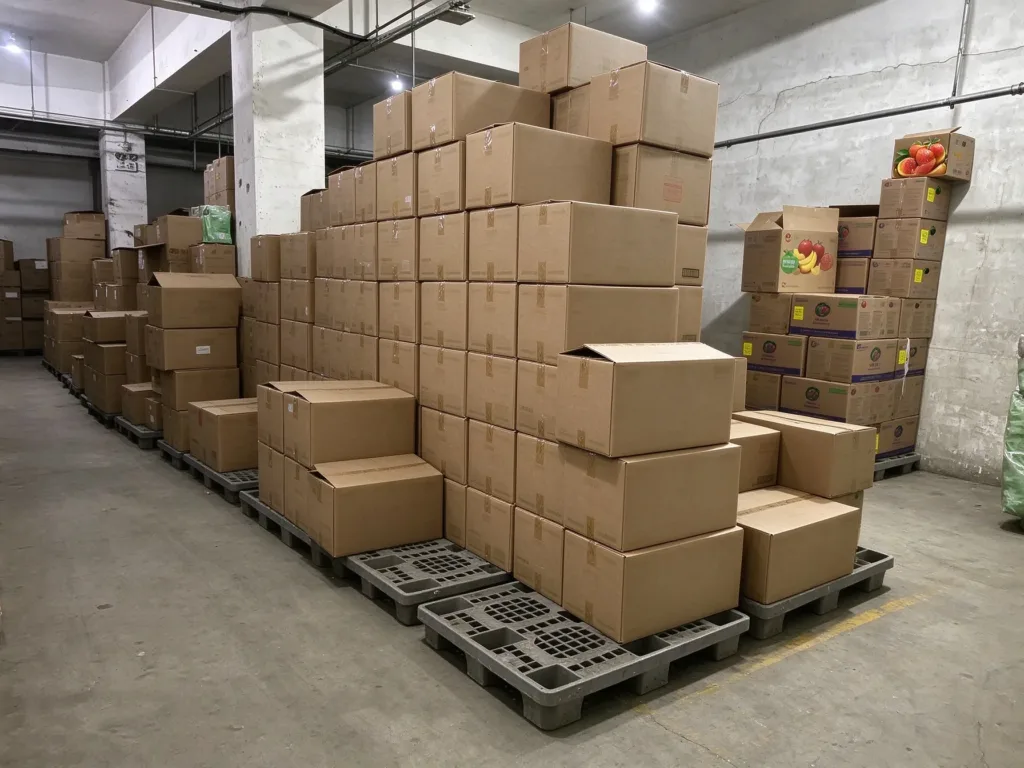
Our practical approach centers on building local socialized service hubs. In partnered producing areas, we jointly operate small-scale on-site service stations with village collectives, equipped with shared pre-cooling, sorting and traceability testing facilities. Farmers do not need to bear the heavy cost of building cold storage and sorting workshops independently. They can access sorting equipment and sugar testing tools nearby, grade fruits following specifications of the Hainan Fresh Produce brand, and raise the proportion of marketable fruits. For produce with intact flavor yet small size or minor cosmetic blemishes, we coordinate with deep-processing and ready-to-cook food channels for diversion, cutting post-harvest waste and lowering the risk of poor returns despite good harvests.
Technology outreach and the cultivation of local talent are our long-term priorities. Partnering with the Chinese Academy of Tropical Agricultural Sciences and local agricultural extension teams, we move training sessions directly into orchards and fields. Courses cover not only planting maintenance, but also harvest timing judgment, post-ripening management, packaging and preservation, order fulfillment and online operation. We prioritize hiring local villagers for sorting, quality inspection and warehousing roles. Farmers willing to grow within the industry are encouraged to become rural industrial leaders, passing awareness of standards and market insights to more neighbours. Compared with short-term guidance from external specialists, locally trained practitioners are more familiar with regional soil, climate and farming habits, and tend to stay committed over time.
We adopt flexible and diverse benefit-sharing models, respecting the differences among villages and growers. Some cooperatives follow pre-agreed order plans to schedule harvesting, guide staggered marketing and ease price volatility caused by concentrated supply. Some village collectives take part in the operation of service stations with collective resources and share service proceeds. Interested farmers can gain extra income from part-time jobs and technical services, on top of earnings from selling produce. We avoid rigid, one-size-fits-all templates and adjust cooperation plans dynamically according to a village’s industrial foundation and farmers’ demands. We uphold transparent contracts and open communication to gradually build partnerships featuring shared risks and benefits.
Rural revitalization also entails protection of rural ecosystems and local cultural heritage. In partnered orchards, we advocate eco-friendly pest control and scientific fertilization to reduce excessive use of agricultural inputs and maintain orchard ecology. Meanwhile, we seek to discover local farming traditions and stories behind native produce. We integrate distinctive planting cultures of Li and Miao communities into product communication. As people learn about Hainan’s crops, they can also catch glimpses of local rural culture. We selectively link with shared farm stays and rural experience businesses to create more development possibilities for villages.
We fully recognize that rural revitalization is a long-term undertaking with no quick fixes. Industrial cultivation, talent development and facility upgrading all take time, and outcomes may be affected by climate conditions and market fluctuations. Yingtian Ark positions itself as an on-site service provider rather than a dominant player in the industrial chain. Our commitment is to continuously bring market information, standard tools and channel resources to the fields, helping smallholders and village collectives connect better with markets inside and outside the Free Trade Port, and gradually nurture the self-sustaining capacity of rural areas.
The land nurtures its own produce. Tropical fresh fruits, pepper grains and other crops carry the vitality of Hainan’s countryside. Going forward, Yingtian Ark will keep focusing on on-site services, improving supporting facilities, technical training and shared branding programs. We will collaborate with more research institutes, distributors and village collectives to support steady upgrading of Hainan’s high-efficiency tropical agriculture, extend industrial dividends to rural residents, and contribute solid efforts to building harmonious and beautiful villages across Hainan.