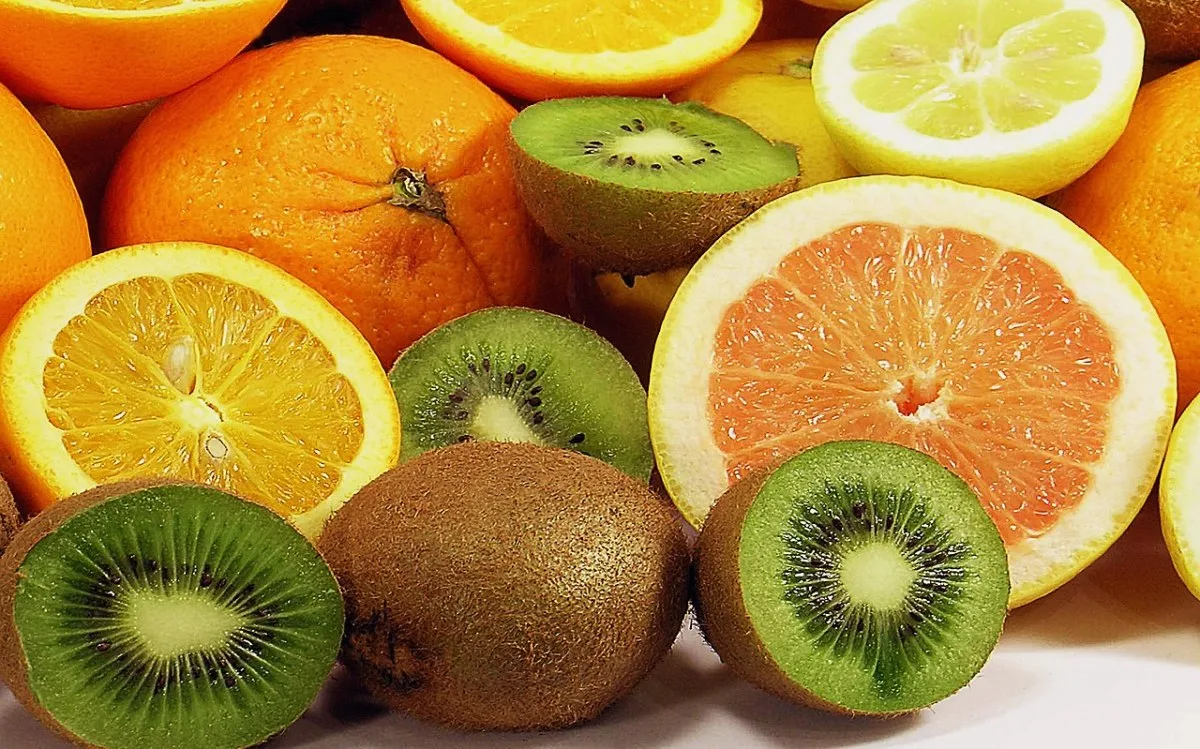
Hainan’s unique climatic conditions nurture a rich variety of tropical fruits, vegetables and aromatic crops. Nevertheless, practical challenges including high temperatures, frequent rainfall, scattered production areas and the short shelf life of fresh produce have long tested the refined operation capabilities of local agricultural operators. Rather than focusing on broad industrial outlooks, this article records our on‑the‑ground practice rooted in Hainan’s growing regions, as we keep exploring amid day‑to‑day supply‑demand balancing, quality control coordination and channel adaptation.
Our operations start with long‑term collaboration with local farmers and cooperatives. Many specialty agricultural products in Hainan are still grown by smallholder farmers, whose farm management schedules and harvesting practices vary. Instead of simply purchasing goods at will, we arrange technical staff to visit growing areas on a regular basis. We provide tailored field management guidance for different crops such as pepper, wax apple, Qiongzhong green orange and tree vegetable, and agree on harvesting standards, ripeness grading and primary processing requirements. We adopt pre‑order cooperation to communicate estimated yields and benchmark purchase prices in advance, helping farmers reduce market risks from blind expansion of planting. Flexible arrangements are also reserved to accommodate output fluctuations caused by typhoons, rainfall and other weather events, so as to strike a reasonable balance between farmers’ income and stable supply for our business.
Quality control is an area we keep refining in daily operations. A single standard cannot apply to all tropical agricultural products, as fresh fruits, dried aromatic spices and ready‑to‑eat processed goods have different control priorities. For fresh fruits, we divide ripeness grades according to delivery distances: fully ripe fruits for nearby orders, and produce harvested at a storage‑friendly stage for long‑distance shipments. Pre‑cooling at origin and sorting by grade are adopted to cut losses during transit. For raw aromatic materials like pepper, we focus on drying conditions, moisture levels and impurity indicators, distinguish between natural sun‑drying and other processing methods, and maintain batch retention samples and inspection records. Traceability and test data for each batch are filed for access by distribution partners and consumers. We have learned that standards cannot be implemented once and for all; continuous communication and calibration with sorting teams and farmers are needed to narrow quality gaps between batches over time.
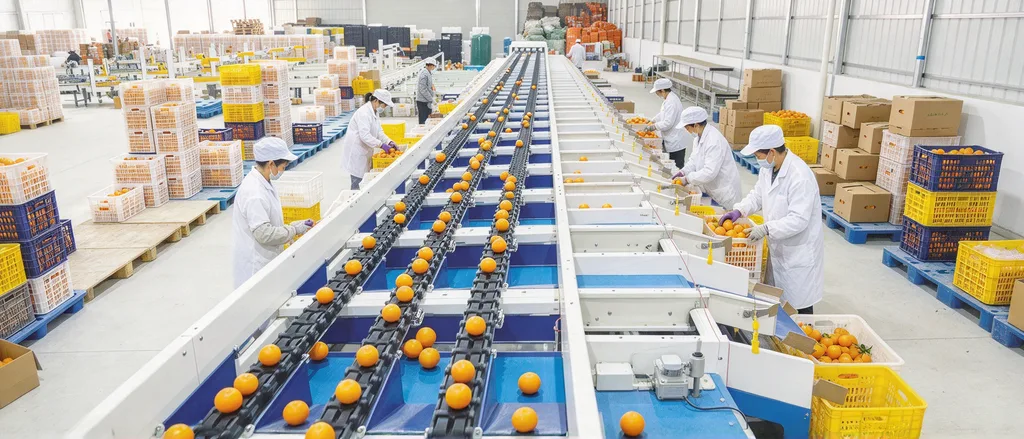
For warehousing and supply chains, we develop tiered plans suited to local conditions in Hainan. Perishable fresh fruits are delivered directly through short distribution chains to minimize storage at transit warehouses. Shelf‑stable goods such as pepper and dried fruit are stored in temperature‑controlled zones with regular inspections for moisture and mould risks. Our team serves a diverse mix of channels, including steady offline bulk procurement, supermarkets and tourism souvenir orders, as well as retail orders from e‑commerce platforms and social media. Bulk orders and individual online orders differ greatly in packaging specifications, delivery timelines and after‑sales protocols. Our team dynamically schedules production to balance stock preparation for bulk clients and shipment of scattered online orders, avoiding excess inventory or stockouts.
Feedback from the market drives adjustments to our operations. Online consumers pay more attention to taste experience, traceability information and delivery damage, while offline bulk buyers prioritize consistent batch quality, stable supply and compliance certificates. We compile customer feedback regularly to guide upstream work. For example, we develop small combined packs for the souvenir market and upgrade protective packaging for items prone to damage in transit. When market prices fluctuate, we avoid impulsive price chasing or price suppression. We prioritize long‑term partnerships and build a more sustainable product portfolio.
We also face inherent limitations in our operations. Crop diseases brought by tropical weather, narrow harvesting windows, heavy reliance on manual labour for some varieties and high cross‑regional cold‑chain costs are ongoing challenges. We take a phased investment approach. We first solidify foundational links including grading, traceability and order coordination, then gradually explore moderate deep processing. Fresh fruits can be turned into dried fruit and seasoning raw materials to extend sales cycles and ease operational pressure from relying solely on fresh produce.
Rooted in Hainan’s growing regions, we understand that tropical agricultural operations do not follow a one‑size‑fits‑all model. It requires constant coordination. We preserve the natural flavour of local farm products while building reliable connections between farmers, our enterprise and consumers through standardized and digital operational practices. Going forward, we will continue to deepen our presence in producing areas, refine our collaboration models, and unlock more lasting and stable market value for Hainan’s specialty agricultural goods while upholding quality benchmarks.