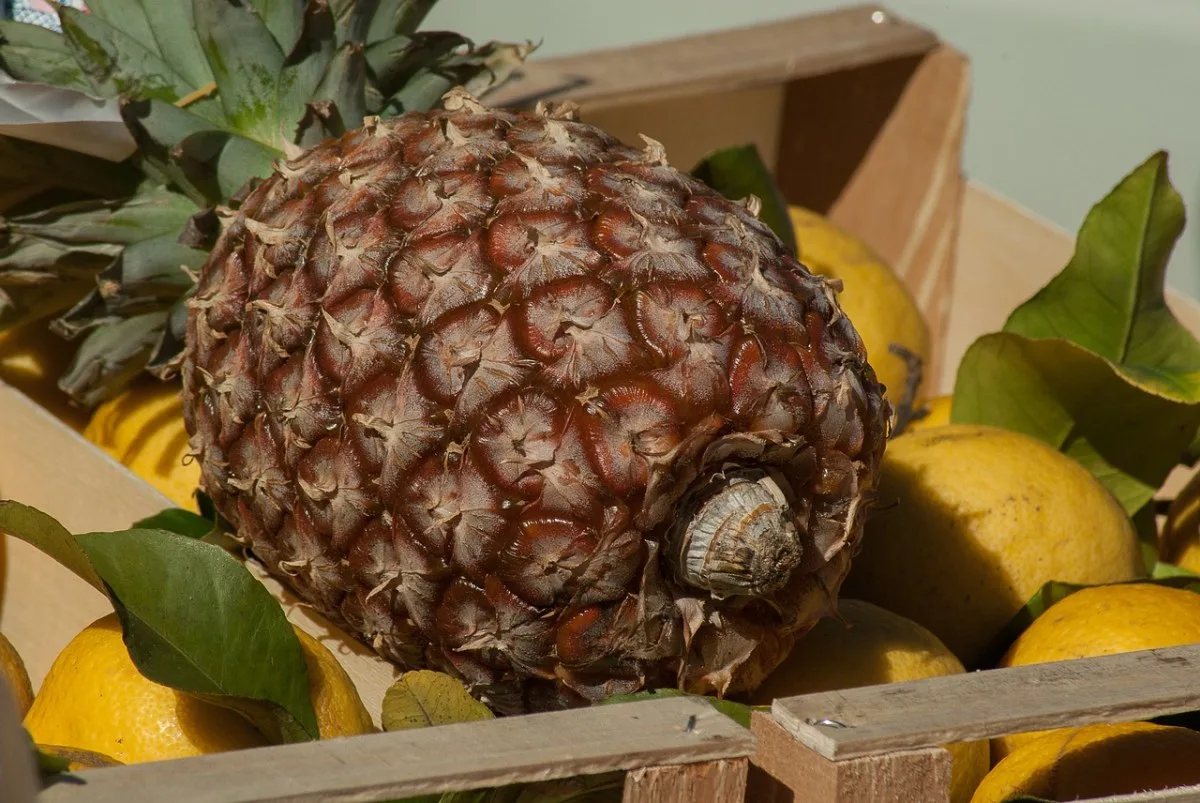
Hainan’s tropical agricultural landscape is dotted with pepper plantations, wax apple orchards and green orange groves across rolling hills. For a long time, many smallholder farmers have relied on traditional growing experience, yet they often face practical challenges including volatile market prices, scattered sales channels, inconsistent standards and high post‑harvest losses. We believe that linking farmers to shared prosperity is not merely a slogan, nor a simple buying‑and‑selling arrangement. Instead, it seeks to connect farmers, cooperatives, enterprises and markets into an industrial community that shares risks and gains. This account documents our thinking and on‑the‑ground efforts to develop collaborative farmer models across producing areas.
We avoid a one‑size‑fits‑all cooperation framework. Instead, we design differentiated partnership models tailored to conditions of different villages and individual farmers. For long‑term reliable growers, we adopt pre‑order collaboration: harvest benchmarks, grading rules and reference purchase prices are agreed in advance. Farmers follow specified management practices, and we prioritise sourcing produce that meets quality requirements. This helps reduce market uncertainty caused by unplanned planting expansion. For farmers with limited experience or lower willingness to join formal orders, we mainly provide socialised agricultural services. Our technical staff visit fields regularly to deliver hands‑on guidance on green pest control, water and fertiliser management, harvesting and sorting. Farmers retain the freedom to decide whether to join our order programme and keep their independent operations. Some village collective cooperatives participate in the partnership by contributing land and base resources. We jointly invest in primary processing and sorting facilities, and share value‑added benefits from the industrial chain according to agreed terms.
Technical support serves as a foundational safeguard within this new agricultural system. Many farming practices passed down among farmers are built on generations of experience, which may not fully align with standardised quality control. Our technical team does not impose uniform transformation plans. Instead, we adapt protocols to suit local climate and soil conditions in Hainan. For pepper, we share practical solutions for common pain points such as rainy‑season diseases and spoilage during drying, including field drainage, staggered harvesting and moisture‑based sorting. For fresh fruits like wax apples and green oranges, we guide farmers on suitable harvest ripeness to suit long‑distance cold‑chain logistics. Most training sessions are held directly in orchards, with live demonstrations based on crop growth at the time. Farmers can raise questions anytime, gradually integrating standardised requirements into daily farm work. Meanwhile, we recruit local residents for sorting, packaging and warehousing roles, creating nearby employment opportunities. This allows farmers to earn extra labour income alongside revenue from cultivation.
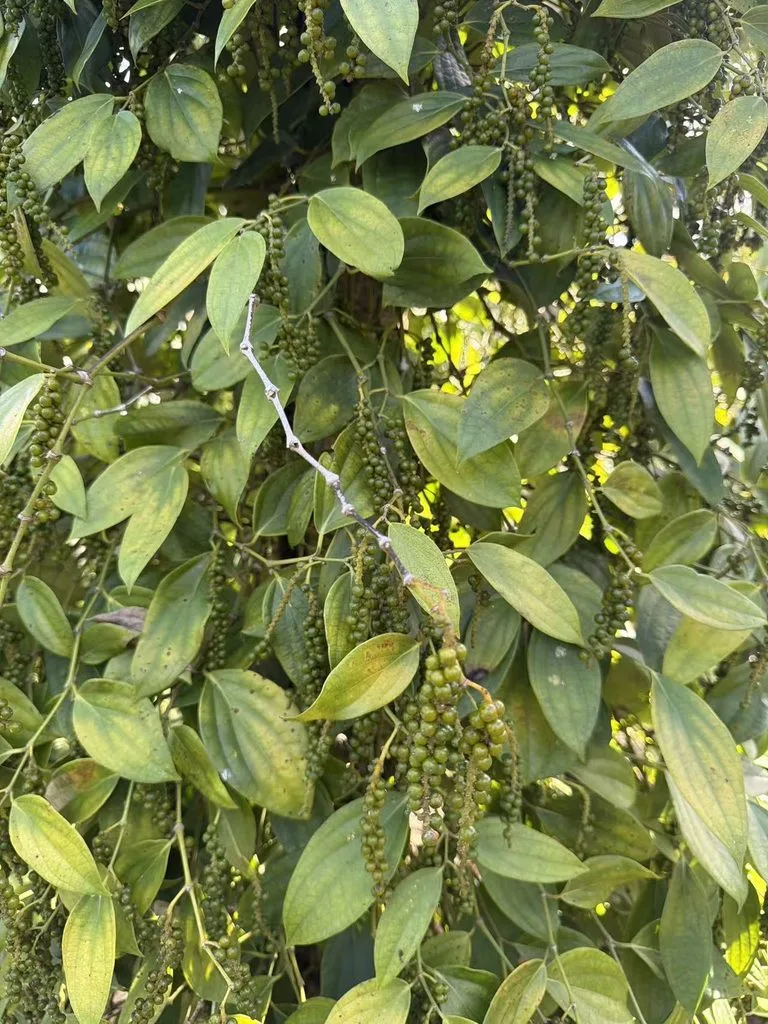
Post‑harvest handling is a major stage where tropical farm products often lose value, and it is also a key focus of our collaborative quality improvement work with farmers. Previously, when farmers sold independently, most lacked access to pre‑cooling, grading and traceability systems. Mixed shipments of prime and substandard fruit resulted in high fresh produce losses and limited bargaining power. We have built small‑scale on‑site sorting and primary processing stations equipped with pre‑cooling facilities, sorting lines and batch record‑keeping. Produce is graded by size and ripeness to match the needs of online retail, souvenir gifts and bulk procurement clients. For shelf‑stable aromatic raw materials such as pepper, we implement standardised drying and storage controls to lower mould risks. After grading, high‑quality produce can access more stable market channels. Farmers can see that consistent quality supports more steady purchase prices, rather than earnings being entirely subject to market fluctuations.
We recognise that our journey toward shared prosperity with farmers still faces objective constraints. Unpredictable tropical weather, including typhoons and prolonged rainfall, can directly affect yields and harvest schedules. Some crops remain highly labour‑intensive, with rising labour costs. Management standards vary widely among scattered smallholders, and consistent implementation requires ongoing communication. We choose to move forward step by step. We prioritise solid fundamentals such as transparent ordering, technical services and batch traceability, rather than rushing to expand cooperation scale. When market downturns or weather disasters occur, we communicate openly with partner farmers, adjusting harvest plans and product mixes together to ease pressure, and avoid shifting all risks to growing households.
We are also exploring ways to channel brand and market gains back to producing areas. Through online content channels, tourism souvenir markets and long‑term bulk orders, we share the flavours and origin stories of Hainan’s specialty farm goods to boost product value. Part of the premium generated by branding is reinvested in sorting equipment and warehousing infrastructure at origin. Another portion is returned to participating farmers via stable purchase rates, local jobs and cooperative dividends. We hold the view that farmers form the source of the industry, and a reasonable share of the value created along the supply chain should remain in the fields.
Hainan’s new agriculture differs from extensive traditional farming, and it is also distinct from large‑capital‑led large‑scale bases. It is an ongoing process of mutual adaptation: respecting farmers’ long‑standing local experience while filling gaps with standardised, digitalised and short‑chain supply systems, and building trustworthy connections between production and sales. We do not expect instant outcomes. Instead, we aim to develop a sustainable farmer linkage mechanism over time, so that farmers can plant with confidence and sell with assurance, and Hainan’s native tropical farm products can reach markets steadily. Going forward, we will keep listening to farmers’ real needs, refine cooperation terms, and work alongside local partners to steadily advance shared rural prosperity within the industrial framework of Hainan Free Trade Port.