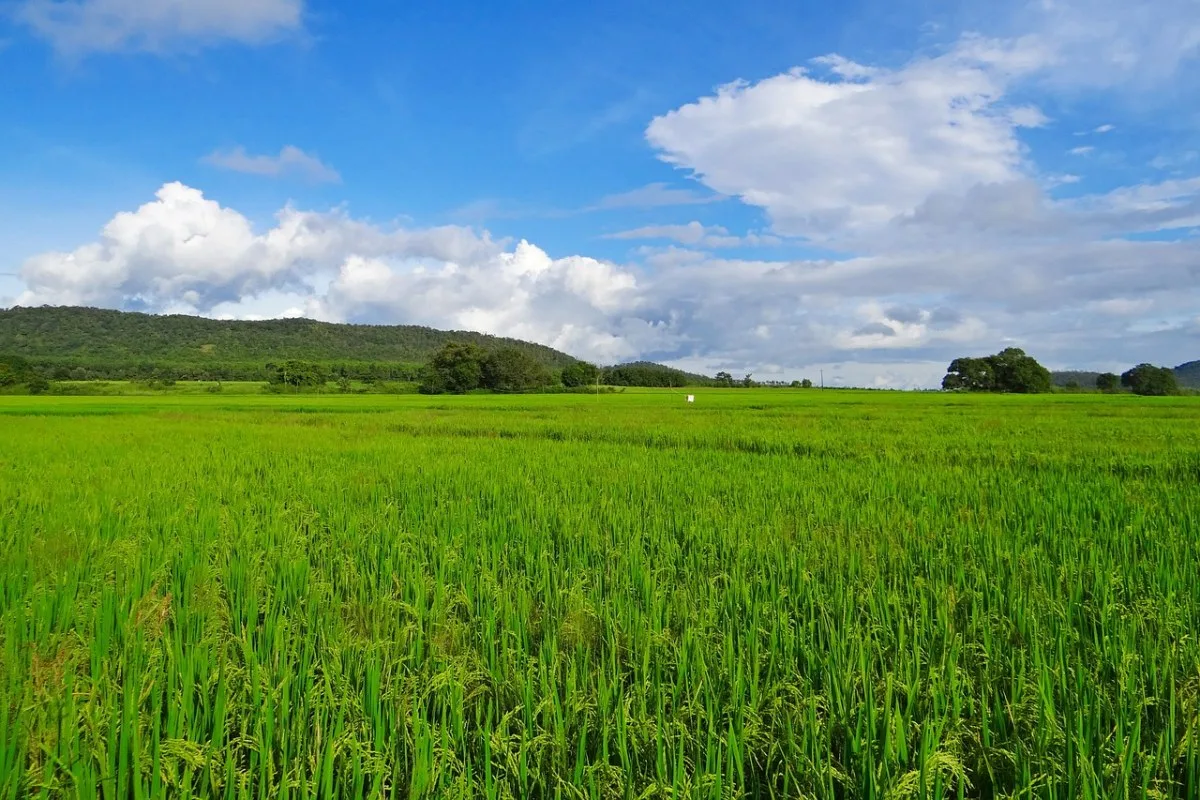
As QR-code traceability gradually becomes standard for agricultural products, many traceable entries remain nothing more than printed labels. We have visited multiple partner growing areas across Hainan to document the full supply chain — from plot management and harvest sorting to warehousing and dispatch — through on-site field records. This way, the growing story behind every tropical harvest can be verified, experienced and traced.
Most specialty crops in Hainan are grown on household plots under family-based management. Aged pepper vines, Qinmi No.9 golden passion fruit and specialty leafy greens are scattered across towns on the island. In the past, farmers farmed with knowledge passed down through generations, and farming notes were kept mostly in notebooks or memory. Differences in varieties, tree age, soil conditions and maintenance practices were rarely shared with buyers and consumers downstream. This sometimes led to gaps between marketing descriptions and the actual produce from the fields. Implementing a traceability system is far more than attaching a QR sticker. It converts scattered field observations into continuous, preserved production records.
At our cooperative mature pepper bases, each pepper garden has its own independent plot file. Technicians work alongside farmers to keep ongoing records of soil sampling data, water and fertilizer applications, eco-friendly pest management schedules, and flowering and fruiting maintenance milestones. Pepper vines over 30 years old grow at a slower pace with longer nutrient accumulation cycles. Their files note the year of planting and annual pruning schedules, distinguishing maintenance approaches for mature vines and newly planted saplings. During harvest season, picking batches are registered separately. Records include fresh pepper harvest dates, sun-drying duration, drying conditions and primary processing timelines. Notes on visible oil chambers and flavour compound accumulation, together with physical test reports, are linked to the traceability code for each batch.
Traceability logs for passion fruit bases focus on flowering, fruit set and sugar accumulation cycles. For Qinmi No.9 golden passion fruit, premature ripening is avoided. Base records retain spot sugar test results and harvest ripeness standards for every batch. Once picked, timestamps for pre-cooling, sorting, grading and packing are logged, separating naturally ripened fruit from batches harvested prematurely. This preserves the timeline behind the development of its flavour.
This traceability workflow combines digital documentation with on-site verification. Our quality control team regularly visits fields to cross-check logs against plots and produce conditions. Samples from each batch are sent for laboratory testing. Test certificates and compliance forms form part of the traceable information, aligning with Hainan’s regional brand framework of “standards, certification, testing and traceability”. When consumers scan the code, they see more than preset marketing copy. They access genuine plot details, farming records and inspection documents specific to that batch, and understand how Hainan’s soil and climate shape its unique flavours.
We also recognise that traceability cannot erase natural variations within growing regions. Even in the same orchard, fruit from sunlit slopes, low-lying land or harvests collected in different weeks will vary in flavour. Annual yield and flavour profiles naturally shift under the influence of typhoons, rainy seasons and temperature changes. These variations are recorded truthfully instead of being smoothed over, presenting how tropical farming is shaped by seasonal rhythms. This is our core purpose for building origin traceability: respecting the unpredictability of farming and sharing authentic information from the growing grounds.
For partner farmers, traceability also brings positive guidance. Complete plot archives help growers review management practices and gradually find suitable growing rhythms for their land. Transparent, consistent traceability records also help farmers who commit to honest, slow cultivation gain wider market recognition, rewarding their long-term investment in farming.
A QR code is never the end goal of traceability. It serves as a thread connecting farmland to dining tables, helping people appreciate flavours forged by time, local soil and farmers’ labour within Hainan’s tropical agriculture. Moving forward, we will stay rooted in growing regions, refine our field documentation, expand traceability to more plots and crop varieties, and safeguard the authentic taste and credibility of Hainan farm produce through steady, truthful origin records.