When many still picture Hainan agriculture as fast-growing crops, seasonal melons and vegetables, and extensive scattered farming, YingTian Ark has chosen to venture into the terraced fields of the Wuzhi Mountain rainforest. Amid the humid, misty terrain marked by stark day-night temperature swings, we are forging a tropical agricultural pathway tailored to Hainan’s local conditions, balancing ecology and market value. Instead of rushing large-scale expansion and short-term output gains, we center our operations on variety adaptation, field management, supply chain integration and value cultivation. Amid the agricultural momentum of Hainan Free Trade Port, we pursue steady, deliberate practices rooted in farmland.
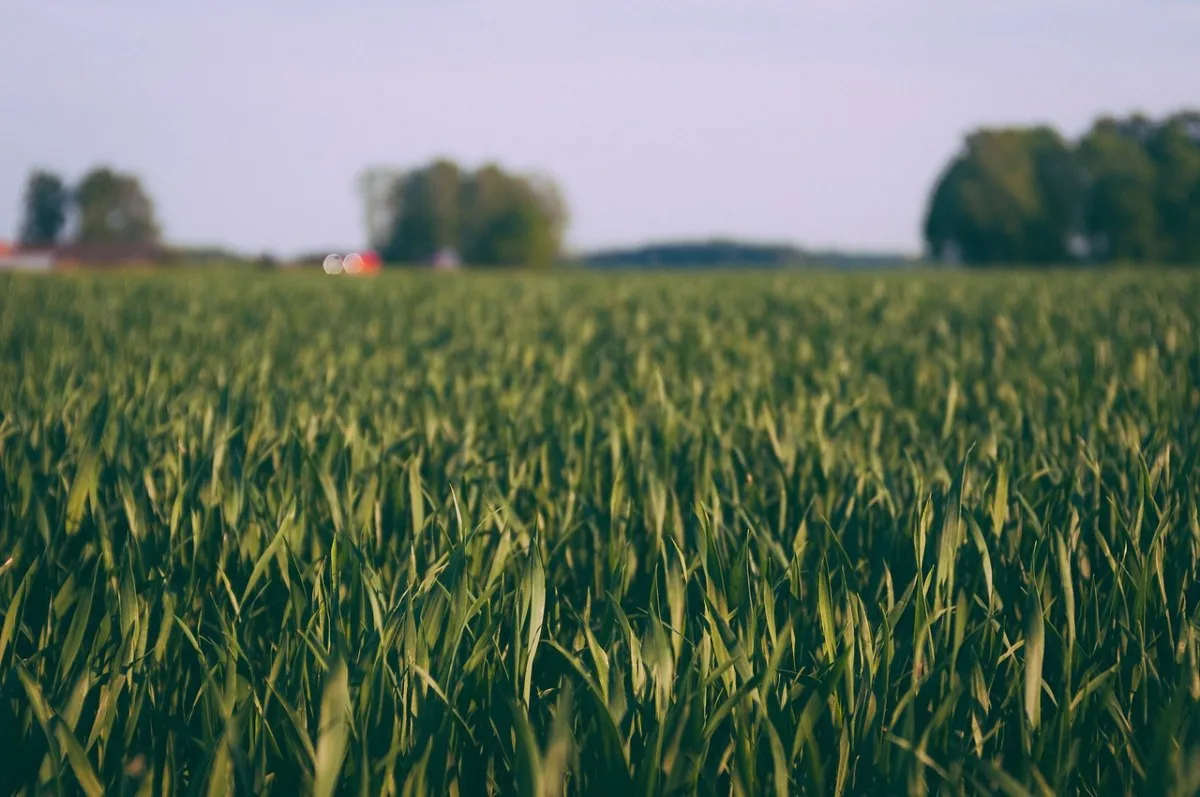
The terraced fields in Shuiman Township of Wuzhi Mountain follow the natural contours of the mountains, irrigated by self-flowing spring water from the rainforest. While unsuitable for large-scale mechanized contiguous farming, this land boasts a unique microclimate. At the project’s inception, our team avoided directly copying mature planting models from other regions. Together with local farmers and technical practitioners, we continuously monitored soil, water sources and phenological changes, screening varieties suited to the mountainous terrain. Our core products include Shuiman Wuling long-grain rice, decades-old pepper, winged beans, and honey passion fruit (Qinmi No.9). We have built flexible cooperative frameworks with local farmers, respecting the time-honored farming wisdom of Li ethnic villages. We combine traditional agricultural know-how with modern field logging, sample inspection and traceability filing, developing management standards fit for small-unit mountain bases.
The “Shuiman Wuling” ecological planting principle was finalized after repeated trial planting: no chemical fertilizers, no synthetic pesticides, no herbicides, no plastic mulch film, no growth regulators. Implementing this model comes with challenges. Weeds spread rapidly in mountain areas, and pest risks fluctuate with rainfall. Labor-intensive management drives up costs, and yields shift with annual climate variations. Part of our team’s daily work takes place in the fields: patrolling plots, tracking crop growth, adjusting crop rotation plans, and guiding farmers to protect soil fertility through mulching, pest trapping and fallow cycles. The other part focuses on laboratory testing and quality control. We regularly collect samples for inspection and keep batch records, so planting information for every harvest can be traced. We recognize that ecological farming is not a superficial label. It calls for constant on-site trade-offs. We accept natural fluctuations and prioritize planting benchmarks.
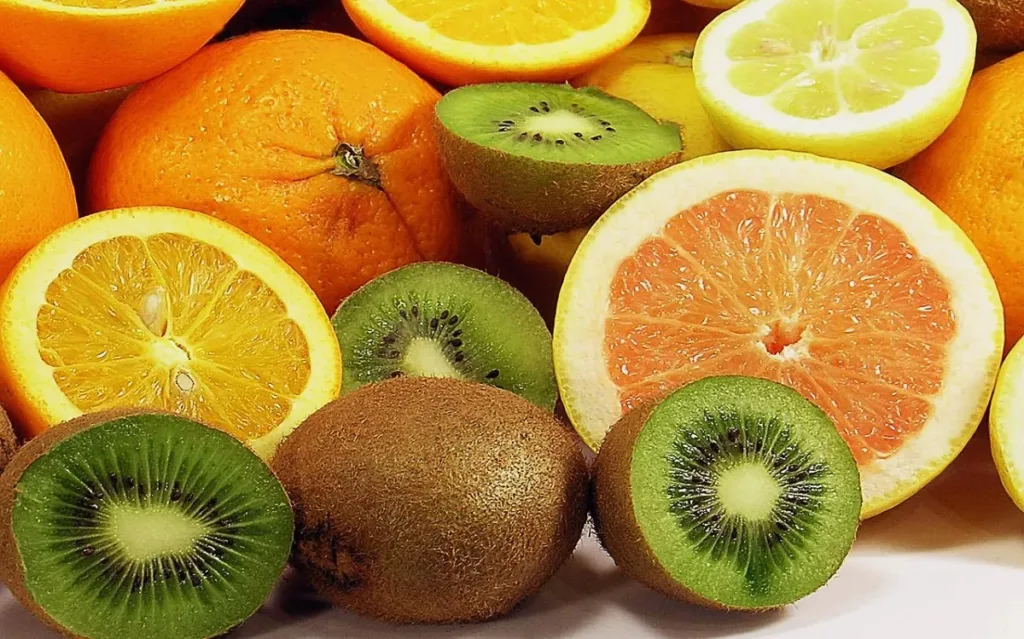
Beyond individual crop varieties, we are building a cohesive industrial chain, moving past the single model of selling raw fresh produce. Pepper is no longer sold merely as bulk raw material. We add manual sorting and coarse grinding packaging to preserve its layered aromatic notes. Rice is stored under constant temperature to slow deterioration, with tailored cooking guidance provided for household users. Fresh fruits are graded, separating commercial-grade produce and tasting packs to reduce waste during circulation. We operate a small on-site sorting workshop and storage facility, paired with pre-cooling at origin, to strengthen primary processing — a commonly weak link for mountain-grown Hainan agricultural goods. By retaining value at the production site, we create local jobs. Farmers gain extra income from sorting, packing and field maintenance, on top of land revenue.
On the market side, YingTian Ark avoids low-price bulk sales. We develop multiple channels simultaneously: B-end catering supply chains, online content platforms and offline tasting events. Recipe development such as pepper crab in Nanyang style and leafy greens in broth helps our aged pepper and local wild vegetables step out of the raw material warehouse, supplying catering partners with stable, distinctive local ingredients. Our online content avoids overhyped promotion. We share farm footage, farming diaries and ingredient science, explaining growth cycles, flavor traits and planting challenges of mountain produce in plain terms. Gradually, we connect with consumers who align with our ecological planting philosophy. We also take part in provincial agricultural product matchmaking events, integrating into the “Fresh Hainan” regional public brand system, and delivering characteristic produce from the Wuzhi Mountain rainforest to dining tables in the Guangdong-Hong Kong-Macao Greater Bay Area, the Yangtze River Delta and beyond.
Our operation has encountered practical hurdles. Mountain roads are less accessible, pushing up logistics costs. Ecological farming brings unstable yields, so order planning requires flexibility. Deep-rooted stereotypes about Hainan farm products cannot be changed overnight, demanding consistent science communication and patient engagement. In years with reduced harvests or flavor variations, our team prioritizes transparent updates and schedule adjustments rather than misrepresenting product conditions. To us, the “new” in new agriculture lies not in fancy concepts, but in acknowledging the inherent uncertainty of farming, and putting risk planning, quality standards and farmer benefits first.
Starting from a grain of rice, a pepper berry and a passion fruit along rainforest terraces, YingTian Ark aims to build a sustainable agricultural model rooted in Hainan. We safeguard the ecological foundation of the Wuzhi Mountain rainforest while supporting steady income growth for nearby farmers. We refine reliable farm products and connect origin sites directly to consumers. Hainan’s tropical agriculture is blessed with abundant natural resources, yet it also faces complex environmental tests. We will maintain a long-term perspective, keep testing and learning in the fields, so the treasures grown in the rainforest can be seen and appreciated by more people.