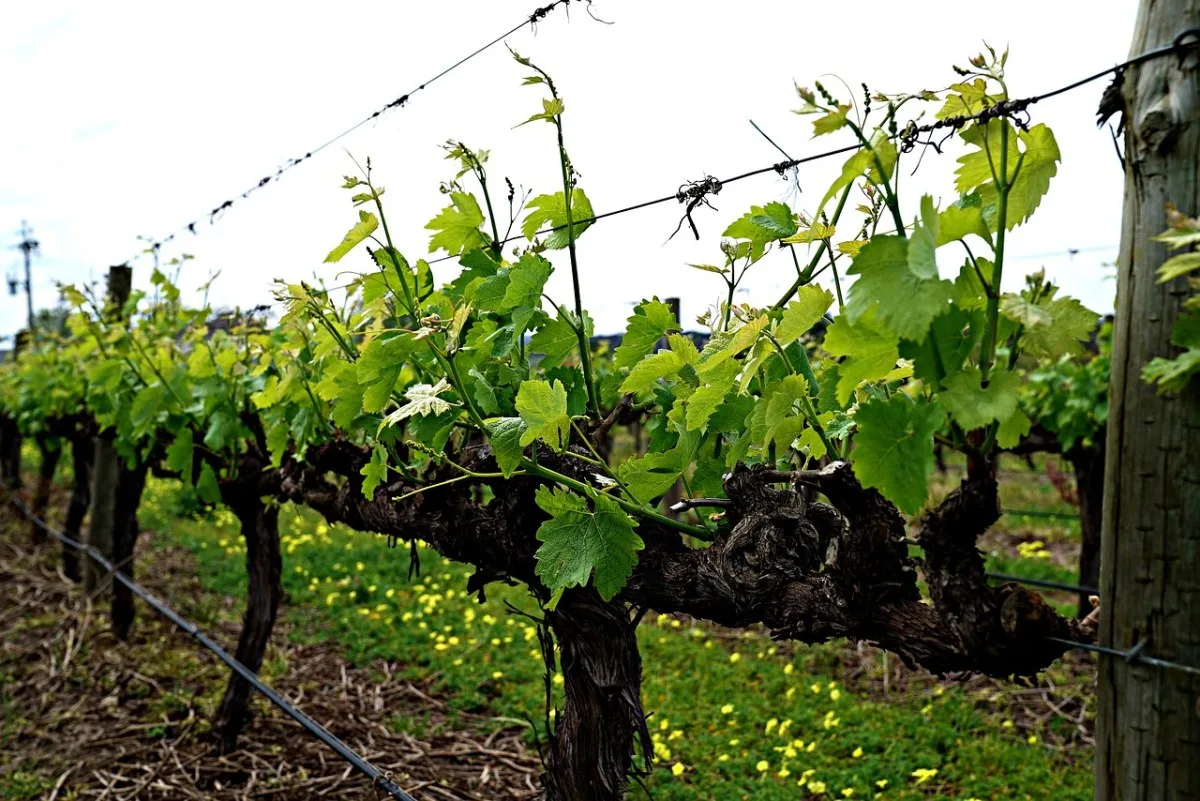
Many people’s first impression of Hainan agricultural products tends to be flatland melons, vegetables and large-scale fresh fruits. Around Shuiman Township in Wuzhishan, the microclimate shaped by rainforest spring water and mountain terraces nurtures a selection of special crops adapted to the humid high‑altitude environment. Unlike large‑scale flatland farming, plots here are scattered on sloped terrain, making it difficult to apply uniform management standards. Each crop carries its own growth habits and flavour profile.
Shuiman Wuling Long-Grain Rice
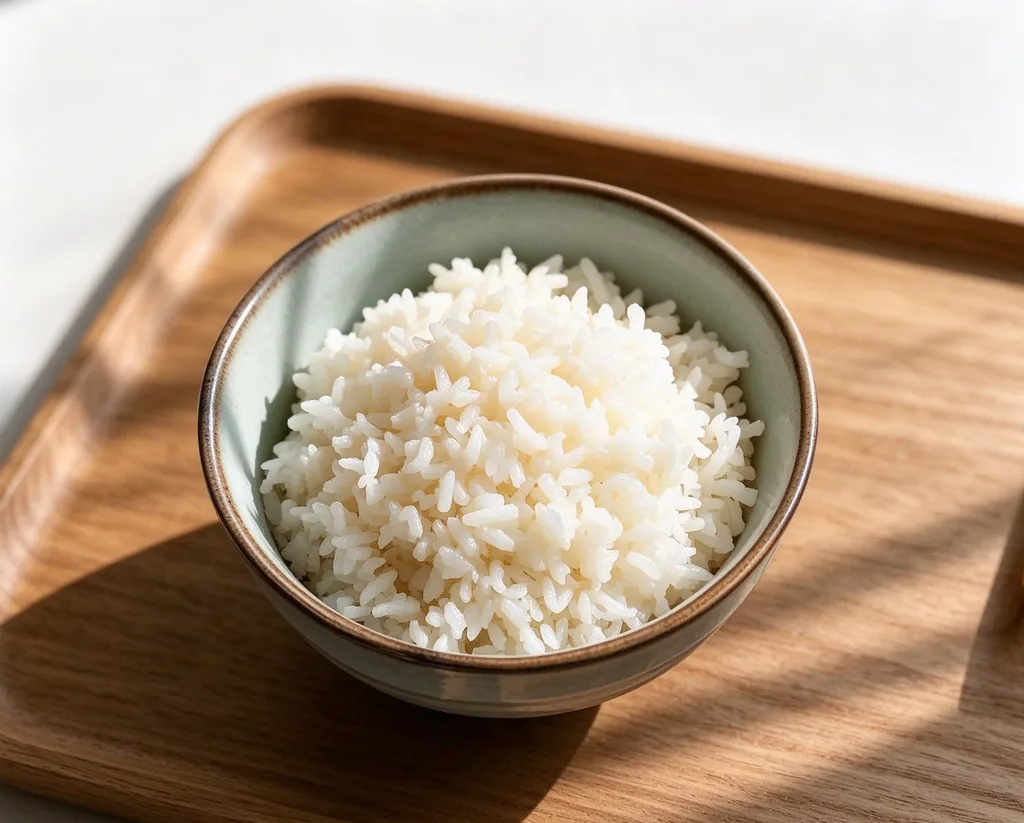
Many early rice varieties in Hainan have short growth cycles and a mild, subtle rice flavour. This long‑grain rice grown on terraces matures slowly, benefiting from the wide temperature difference between day and night in mountains during autumn and winter. It is irrigated by gravity‑flow spring water, and soil organic matter comes from forest humus. Under ecological planting management, no chemical fertilisers, synthetic pesticides, herbicides, plastic mulch film or growth regulators are used. The grains are slender. When cooked, they separate well and do not clump easily, with a faint popcorn‑like aroma and gentle natural sweetness. It works well as a daily staple, pairing with home‑style dishes, cured meat rice, or for light congee. Slight variations in aroma and texture may occur between harvests, affected by rainfall and temperature each year.
Aged Pepper
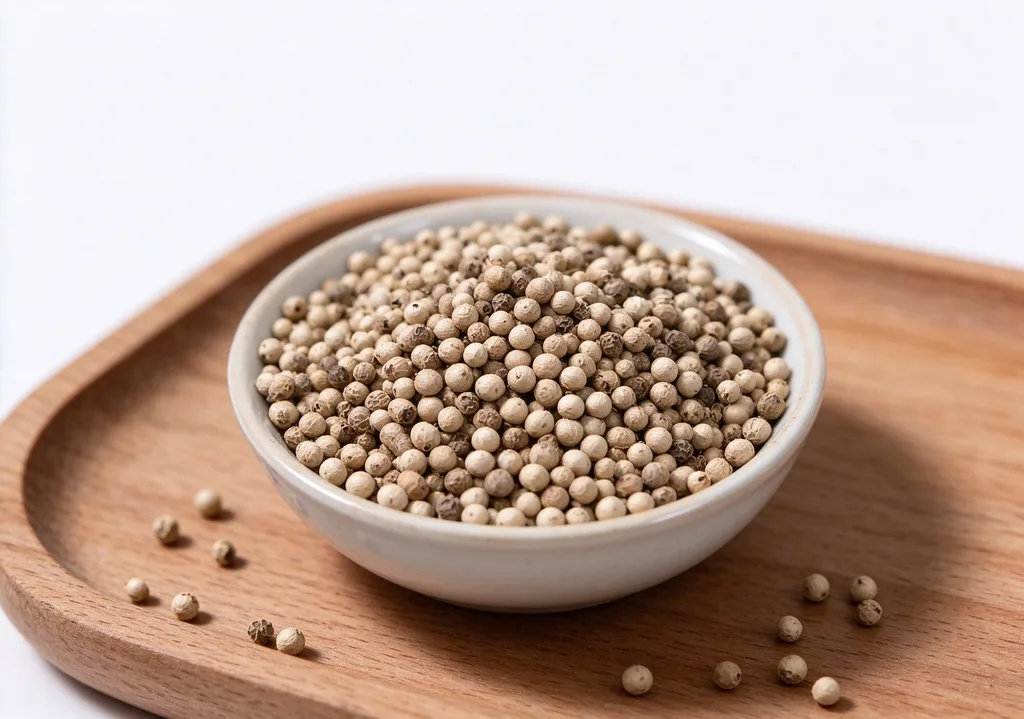
Pepper is a tropical spice crop and not a fast‑maturing annual crop. We source pepper from mature, long‑established vines grown under partial shade in woodland, building flavour gradually, different from densely planted pepper cultivated for rapid harvest. After picking, the berries are sun‑dried and manually sorted to retain the layered aromatic notes of natural pepper. Its pungency is relatively mellow. Apart from ground pepper powder, coarsely cracked peppercorns are ideal for Nanyang‑style cooking, releasing aroma gradually during braising and simmering. Pepper flavour development is closely tied to shade levels, rainfall and harvest timing; aroma intensity can vary slightly across batches.
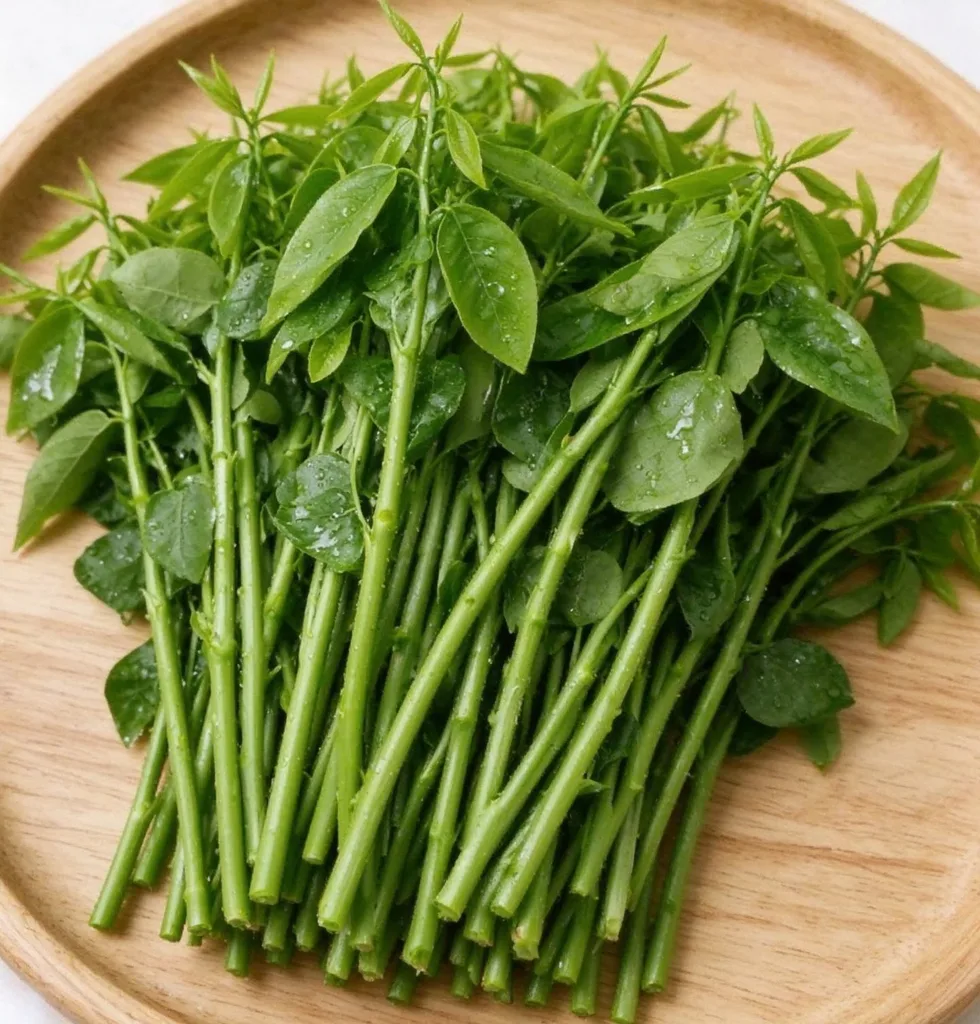
Katuk (Shuzai Cai / Sweet Leaf)
A perennial leafy shrub vegetable, also widely enjoyed on dining tables across Southeast Asia. Only tender shoots and young leaves are harvested. Once planted, it can be picked repeatedly for years under suitable temperatures. It thrives in shaded, moist conditions, perfectly suited to the edges of rainforests. It has crisp tender texture with minimal coarse fibre and a fresh herbal scent, great for broth cooking or stir‑frying with garlic. Harvesting is avoided shortly after heavy rain when plots are waterlogged, as standing water causes tender shoots to spoil quickly. Under intense heat and sunlight, leaves turn tougher and may develop a bitter taste.
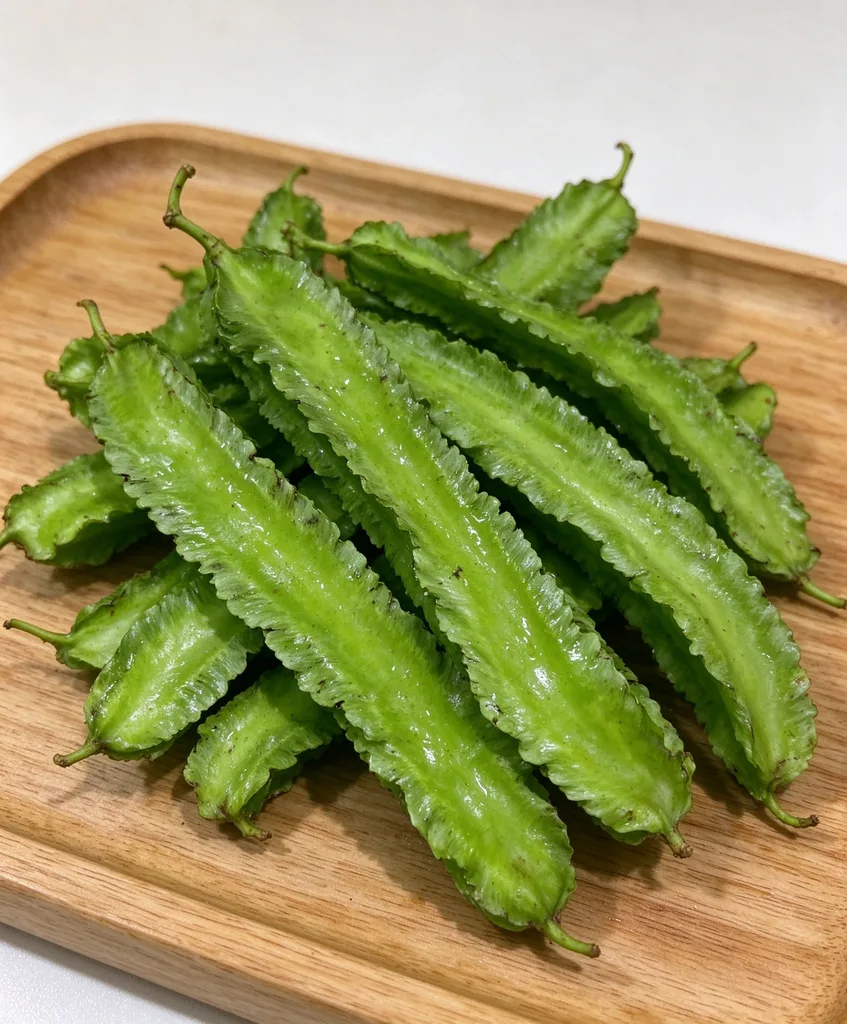
Winged Bean
Also known as four‑angled bean, it is a climbing legume crop that requires trellising. It favours warmth and humidity, yet its roots are vulnerable to waterlogging. Mature pods have four distinct angular ridges, delivering a crisp bite and clean bean fragrance. It needs thorough cooking before consumption, suitable for stir‑fries, salads and hotpot. The harvest window is narrow; pods become fibrous and less palatable once overmature, so frequent selective picking by batch is required.
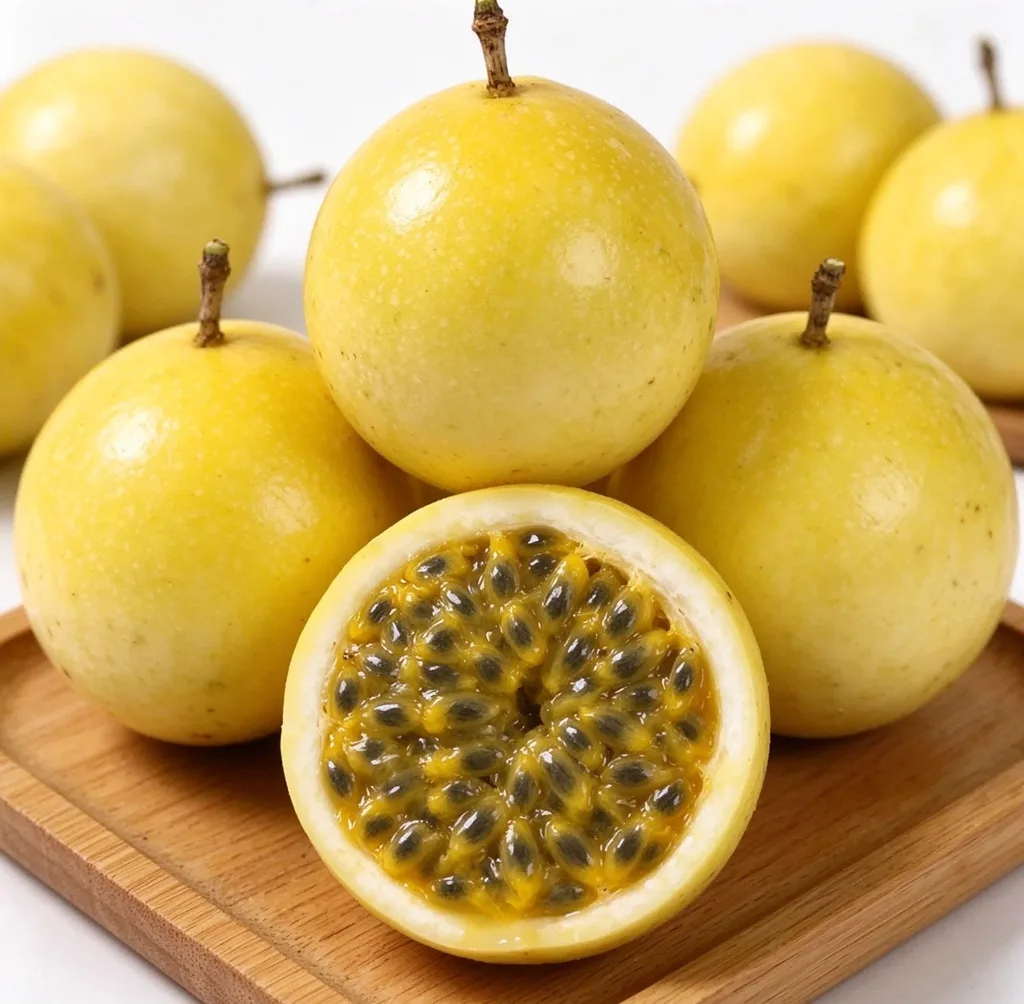
Qinmi No.9 Golden Passion Fruit
There are many passion fruit cultivars, and Qinmi No.9 features relatively mild acidity and rich fruity aroma. Good ventilation and large diurnal temperature variation on mountain farms help build sugar and aromatic compounds. It bears fruit in successive batches under favourable temperatures. The balance of sweetness and sourness shifts greatly with ripeness: fruit harvested at seven‑tenths ripeness carries prominent tartness, suitable for beverages. Fully tree‑ripened fruit shows more honey‑like sweetness. Passion fruit does not travel well. After picking at the mountain base, fruits are graded and sorted, and distributed through different channels according to ripeness to reduce wastage.
Our Approach to Crops
Tropical mountain farming comes with inherent uncertainty. Typhoons, prolonged rain or drought can disrupt crop growth and alter flavour. At YingTian Ark, we do not seek perfectly standardised, identical taste. Instead, we respect the natural habits of each plant, document field conditions and implement batch traceability, honestly communicating natural variations to the market. These harvests from Wuzhishan terraces are not mass‑produced farm goods. They are shaped jointly by mountain microclimate, local germplasm resources and traditional farming wisdom. Learning about their growth patterns is the starting point for understanding Hainan’s mountain‑based new agriculture.