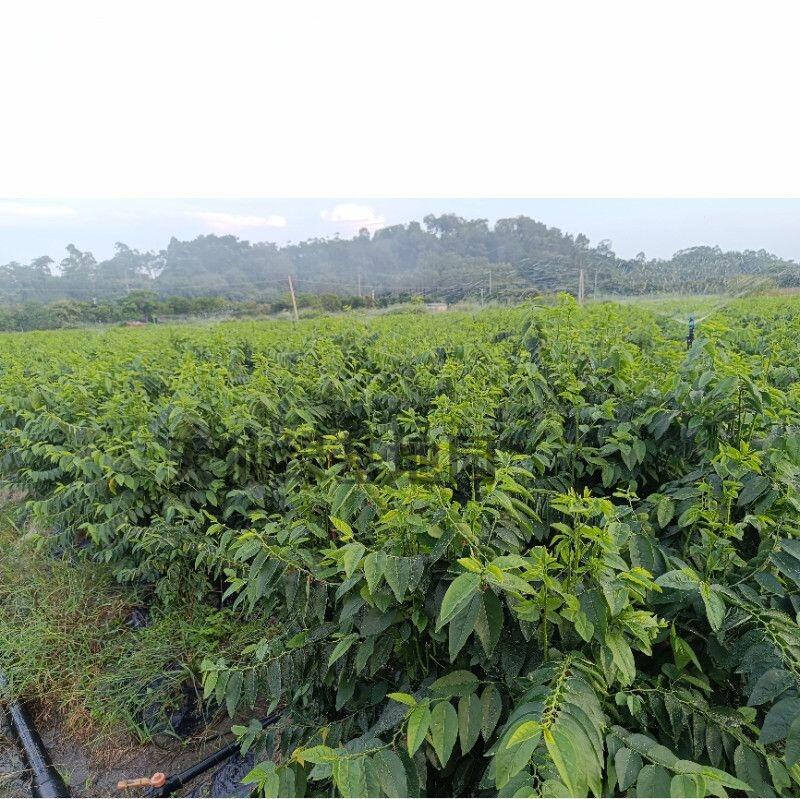
Amid the farmlands of Dapo Town, Qiongshan District, Haikou, grows an unassuming tropical shrub—Sauropus androgynus, locally known as Shuzai Cai, Tianluxiang, Wuzhishan Wild Vegetable, or Fence Vegetable. In the past, Hainan rural households commonly planted this vegetable around their homesteads to form green fences and block poultry and livestock from entering courtyards. Today, this traditional “fence plant” has evolved from rural yards into standardized large-scale planting bases, emerging as a highly popular local specialty vegetable. Recognizing its huge market potential, Hainan Yingtian Ark Agricultural Technology Co., Ltd. has built a 10 mu self-owned planting base in Dapo Town, focusing on the refined development of this exclusive Hainan wild vegetable through the “company + base” operational model.
Fertile Land of Dapo Nurtures Premium Wild Delicacies
Native to Southeast Asia and southern China, Sauropus androgynus is a tropical shrub that grows wild across Hainan and Xishuangbanna of Yunnan. Located in northern Hainan, Dapo Town of Haikou features a tropical monsoon climate with warm temperatures, abundant rainfall, and loose, fertile soil—creating unparalleled natural conditions for the growth of Tianluxiang.
The company’s 10 mu Tianluxiang planting base is precisely situated in this prime region. Every early morning before dew evaporates, workers manually pick the tender top shoots of the vegetable. Fast-growing and perennial, Tianluxiang can be harvested continuously for years after a single planting, yielding successive batches of tender sprouts. Its young shoots are crisp, juicy, tender, residue-free, and uniquely flavorful—core advantages that drive Yingtian Ark’s in-depth cultivation of this specialty crop.
A Nutritional Powerhouse Far Superior to Ordinary Vegetables
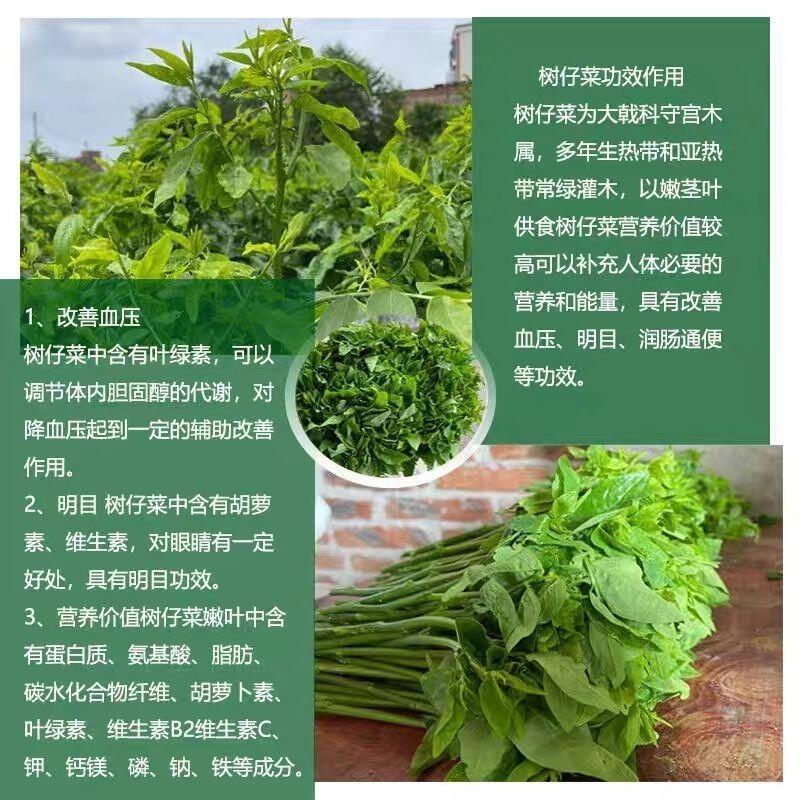
Tianluxiang boasts outstanding nutritional value. Test data shows its carotene and vitamin B2 content are more than 10 times higher than those of common vegetables, while its vitamin C and protein levels are 4 to 5 times greater. Rich in comprehensive vitamins, protein, and essential minerals, it contains abundant trace elements including potassium, calcium, magnesium, phosphorus, iron, manganese, zinc, and copper.
Thanks to its superior nutritional profile, Tianluxiang is also hailed as a “multivitamin green vegetable”. In recent years, as consumer demand for natural, green, and healthy food continues to rise, the market demand for Tianluxiang has expanded steadily, demonstrating promising industrial development prospects.
Medicinal and Edible Herb with Versatile Cooking Methods
Tianluxiang is a classic traditional Chinese medicinal and edible plant. Traditionally, it is cool in nature, known for clearing heat, detoxifying the body, promoting diuresis, and relaxing the intestines. Its tender leaves are packed with vitamins, minerals, and dietary fiber.
Extremely versatile in cooking, Tianluxiang is a staple of Hainan local cuisine. The most popular local recipe is garlic stir-fried Tianluxiang with lard: wash the fresh sprouts, remove old stems, stir-fry minced garlic in hot lard until fragrant, then add the tender vegetable shoots and quick-fry on high heat with a pinch of salt. This method perfectly preserves the vegetable’s crisp texture and fresh herbal aroma, delivering a tender, residue-free, refreshing taste. Another signature dish is Tianluxiang fish soup, where the vegetable is simmered with fresh river fish, blending the sweetness of fish broth with the pure green fragrance of the vegetable for a unique and delicious flavor.In addition, Tianluxiang can be blanched and served cold, simply stir-fried, cooked in soup, blanched plain, or added to hotpot, offering diverse delicious culinary options
Edible Reminder:Modern research confirms that Tianluxiang contains trace natural toxins. It is not edible raw and must be thoroughly cooked at high temperature before consumption.
Booming Industrial Prospects Supported by Favorable Policies
The Tianluxiang industry is embracing strong policy support. In 2024, the Hainan Provincial Department of Agriculture and Rural Affairs issued the Guidelines for Adjusting the Planting Structure of Winter Melons and Vegetables in Hainan, encouraging cities and counties in central and northern Hainan to grow specialty wild vegetables including Tianluxiang. With the help of agricultural researchers, the wild variety has been successfully domesticated for large-scale commercial planting, making it a popular delicacy on dining tables nationwide. As one of Haikou’s core “vegetable basket” bases, Dapo Town supplies abundant high-quality vegetables to regional markets year-round.
In terms of brand development, Hainan is implementing a three-year agricultural brand upgrading initiative for the official “Hainan Fresh Produce” brand, with 2026 designated as the year for standard system construction. To date, 130 local enterprises have been authorized to use the brand. Aligning with the provincial brand strategy, Yingtian Ark is actively applying for “Hainan Fresh Produce” certification and building standardized production systems.
As the company’s self-planted, fully controllable core specialty product, the 10 mu Tianluxiang base underpins continuous quality improvement and brand value upgrading. From wild rural shrubs in Dapo Town to standardized corporate planting bases, and from traditional rural fence plants to popular market specialties, Tianluxiang is reaching dining tables across the country with its unique wild flavor and superior nutrition. Moving forward, Yingtian Ark will continue to cultivate this refined niche tropical agricultural product, bringing the natural gifts of Haikou to more consumers nationwide.