Supported by the Hainan Provincial 15th Five-Year Plan for Accelerating Agricultural and Rural Modernization and the Three-Year Action Plan for Upgrading the “Hainan Fresh Produce” Agricultural Brand (2026–2028), Hainan’s tropical fruit industry is shifting from output expansion toward high-quality development featuring variety improvement, post-harvest preservation, standardized traceability, and coordinated domestic and overseas marketing. Benefiting from the opening-up policies of the Hainan Free Trade Port, the RCEP framework and improved supporting infrastructure at origin, the industry is devoting more efforts to addressing bottlenecks in germplasm conservation, pre-cooling at farm sites, grading and sorting, and primary processing. Market participants are encouraged to jointly build industrial chains and explore differentiated, sustainable development pathways.
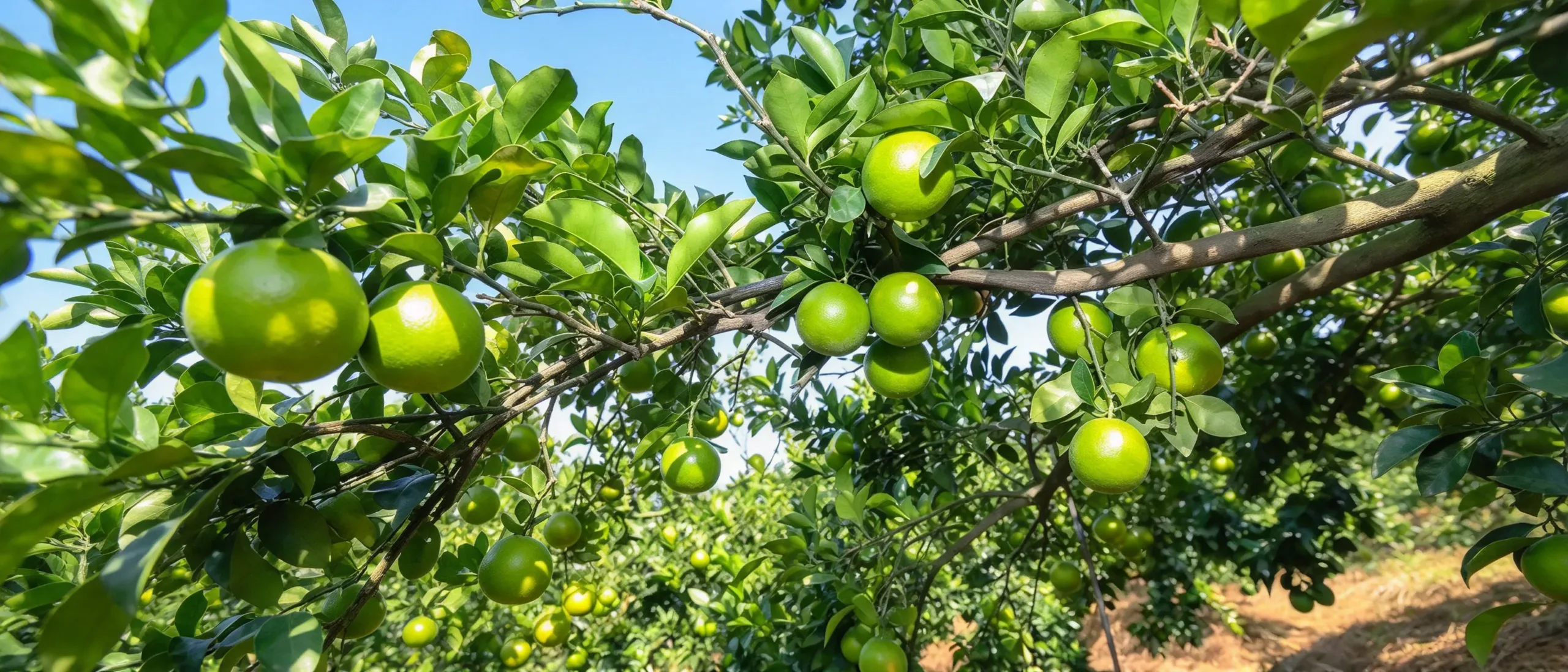
Hainan’s climate suits the growth of a wide range of tropical fruit trees. Mangoes, lychees, green oranges, wax apples, melons, as well as emerging premium varieties such as durian and canistel ripen in staggered seasons, forming a rich resource base. Nevertheless, producing regions are confronted with persistent challenges. Some older varieties fall short of market expectations in flavour and stress resistance. Scattered planting results in inconsistent orchard management standards. Uneven distribution of post-harvest pre-cooling facilities leads to relatively high losses during storage and transportation. Small-scale growers and cooperatives lack steady access to market information, making it difficult for quality fruits to achieve matching value. Besides, brand recognition remains fragmented, and trust systems for cross-regional and cross-border circulation are still under development.
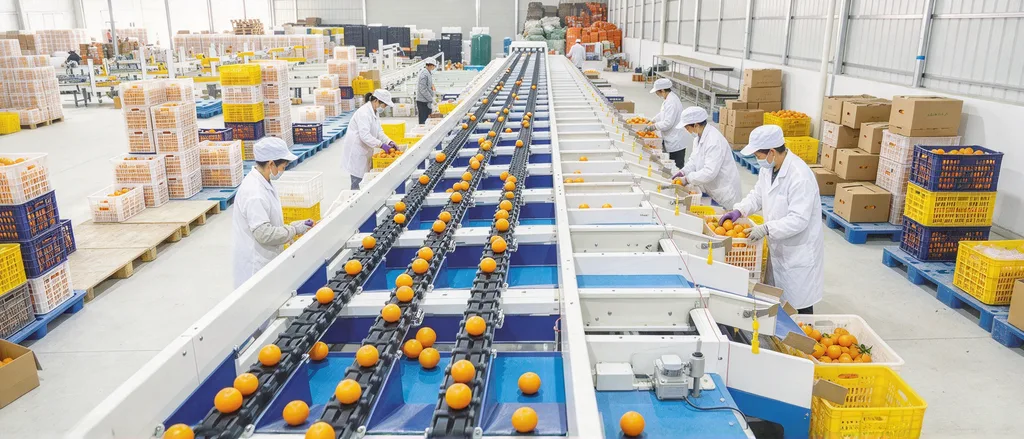
Policy guidance no longer focuses merely on expanding planting acreage. It advances along three directions: promoting new varieties, opening up new markets and fostering new business forms. On one hand, leveraging the strengths of the South China Propagation Base and tropical agricultural research institutions, Hainan continues to collect and evaluate germplasm resources of fine tropical fruits. Suitable new varieties are introduced and demonstrated locally, including fresh-eating cultivars and varieties dedicated to fresh-locking processing. On the other hand, the province is improving cold-chain infrastructure at origin. It supports the construction and renovation of pre-cooling warehouses, mobile cold storage and distribution hubs at producing areas, and adopts controlled-atmosphere preservation and automated sorting to reduce losses in circulation. Taking advantage of the Free Trade Port’s value-added processing policies, new forms such as primary fruit processing and preserved fruit products are being explored. The “two ends outside” processing model helps expand domestic online and offline channels and overseas markets including ASEAN countries.
For brand building, the regional public brand “Hainan Fresh Produce” has established an integrated framework covering standards, certification, testing and traceability. Standard-setting, certification pilots and brand promotion are rolled out in phases, with tropical fruits listed as key categories for brand cultivation. Unified standards, third-party testing and traceability records help build verifiable quality information for regional produce, bridging information gaps between suppliers and buyers and supporting e-commerce distribution, supermarket counters and cross-border supply.
Rooted in Hainan, Yingtian Ark delivers socialized supply-chain services for agricultural origins to help upgrade supporting industrial capacity. Our team works closely with farmers and cooperatives in orchards, supporting field management guidance, ripeness assessment, fruit grading, pre-cooling and traceability filing. Custom preservation and packaging solutions are designed according to the storability of different fruits. We help local operators access stable distribution channels and brand standards, lowering barriers for small players to source cold-chain, testing and market resources independently.
In terms of product portfolio, we cover staple fruits such as mangoes, lychees and melons, while tracking the production of premium emerging varieties including canistel and durian. Sourcing follows seasonal harvest rhythms instead of chasing short-term price fluctuations of single categories. For circulation, we complete batch quality control and documentation to supply traceable origin produce for e-commerce platforms, offline retail stores and bulk purchasers.
The upgrading of the tropical fruit industry is a long-term project requiring coordination across germplasm breeding, orchard management, post-harvest preservation, logistics and brand trust-building. Aligned with provincial industrial plans and the “Hainan Fresh Produce” initiative, Yingtian Ark will keep deepening origin supply-chain services and collaborating with diverse partners. We aim to deliver Hainan’s tropical fruits in stable condition to consumers across China and overseas, supporting the steady improvement of the local tropical fruit sector.