Guided by the 15th Five-Year Plan for Accelerating the Modernization of Agriculture and Rural Areas in Hainan Province and the Three-Year Action Plan for the Promotion of the “Hainan Fresh Produce” Agricultural Brand, Hainan has kept refining its standard system for tropical fruits and encouraging the market to develop a rational understanding of their growth patterns, harvesting principles and flavor characteristics. Rooted in Hainan’s producing areas, Yingtian Ark breaks away from conventional variety catalogues. From the perspectives of fruit ripening after harvest, ripeness assessment, flavor formation logic, storage and tasting tips, we bring objective insights reflecting real market conditions.
Many consumers often have questions when purchasing fresh tropical fruits from Hainan. For mangoes, some develop rich sweetness only after a few days of storage; pineapples and ananas look similar yet deliver distinct tastes; lychees and rambutan lose much of their fine flavor within one or two days. These differences mainly stem from the fact that most tropical fruits are climacteric fruits. After harvesting, sugar and organic acids inside the pulp keep transforming, a process known as post-ripening. This sets them apart from temperate fruits such as apples and citrus.
Not all fruits can stay on the tree until fully ripe. For mangoes, durians and sugar apples, full ripening on the branch leads to rapid pulp softening, which complicates long-distance delivery and causes high losses. The industry term “tree-ripened” does not mean the fruit turns completely soft on the tree. Instead, it refers to harvesting at the specified maturity index after sufficient flavor compounds accumulate, in line with group standards. No exogenous ripening agents are applied; the fruits complete post-ripening gradually with endogenous ethylene. Harvest maturity is the first critical factor shaping flavor. Fruits harvested prematurely will remain sour and lightly aromatic even after softening, failing to develop their natural taste. Those picked at an over-mature stage have a narrow fresh-keeping window and are generally suitable for local consumption nearby.
Hainan’s abundant light and heat create favorable conditions for flavor accumulation. Ample sunshine and day-night temperature difference around Latitude 18°N help fruits slowly build up sugars, terpenoids, esters and other aromatic substances. Different varieties carry unique flavor profiles. Jinhuang and Guifei mangoes release a mellow, gentle aroma; Xinqiu honey lychee has a distinctive honey fragrance, which is more noticeable at night. Golden diamond ananas has been selectively bred to contain less bromelain, so it rarely stings the mouth without salt soaking, with a well-balanced sweet and sour taste. Baoting rambutan features translucent juicy pulp with clean, refreshing sweetness. Hainan also continues to develop new specialty varieties such as canistel, dragon fruit with white flesh and yellow-fleshed sugar apple, enriching the taste landscape of tropical fruits.
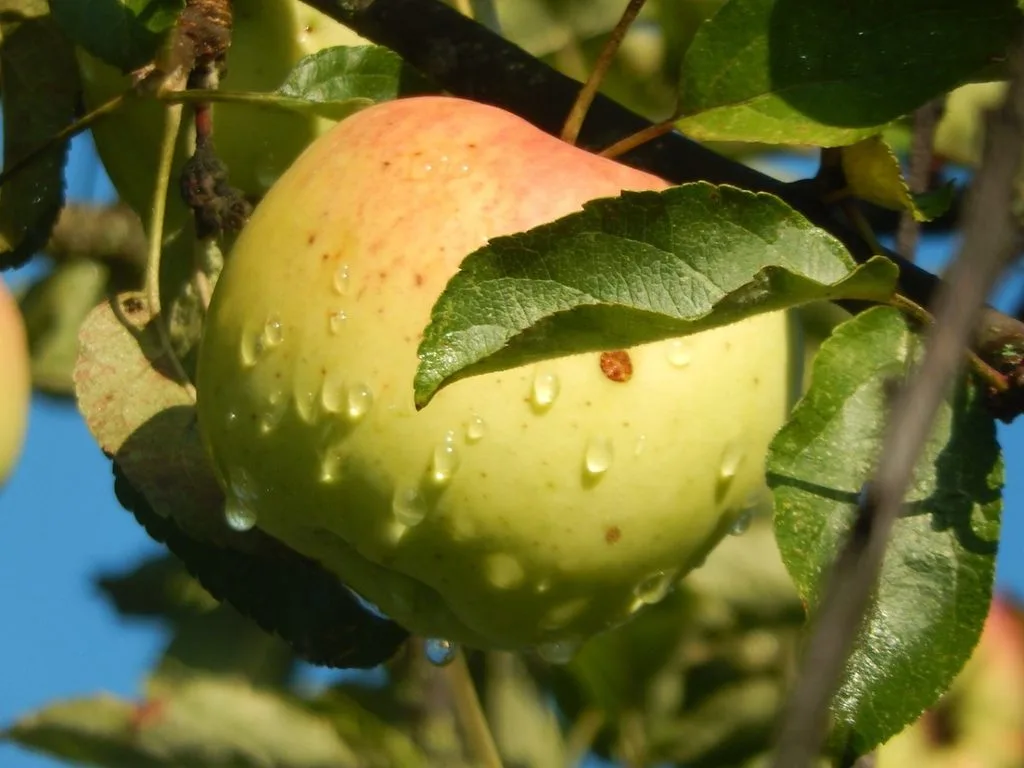
Here we clarify a common misconception: an attractive appearance does not always guarantee better flavor. Skin color partly comes from anthocyanins induced by sunlight and partly from inherent varietal traits. Take Guifei mango as an example. The sun-facing side tends to develop bright red blush while the shaded side stays greenish-yellow. As long as harvested at proper maturity, greenish-yellow fruits can ripen normally and develop great flavor. On the contrary, brightly colored mangoes picked too early often lack sweetness and aroma. When selecting fruits, avoid judging merely by peel color. You may refer to fruit shape, full shoulder condition and natural fragrance for a comprehensive assessment.
Different fruits require tailored storage methods, which greatly affect your tasting experience. ✅ Suitable for post-ripening at room temperature: Mangoes, sugar apples and jackfruit-durian hybrids. Place them in cool, ventilated spots after delivery. They are ready to eat when the flesh yields slightly and fragrance comes out. Once fully ripened, move them into refrigeration to slow down deterioration. ✅ Short shelf life, consume promptly: Lychees and rambutan have vigorous respiration after picking. Their flavor fades quickly at room temperature. Store them under controlled low temperature and eat as soon as possible. ✅ Ananas and wax apple: Can be eaten fresh once ripe. Refrigeration preserves crisp texture, but sealed long-term storage is not recommended.
As an on-site agricultural service provider, Yingtian Ark grades fruits according to the “Hainan Fresh Produce” standards, combining sugar content, maturity and fruit shape. We sort goods into categories for immediate consumption and post-ripening use to match different consumer scenarios. Batch traceability records are maintained, including harvesting date, origin information and test files, so the product source can be tracked. We also attach storage and ripening guidance with parcels, helping consumers grasp the best tasting time and appreciate the natural flavor of Hainan tropical produce.
The sweetness and aroma of tropical fruits are shaped by sunlight, seasons and natural rhythms. Understanding post-ripening rules and ripeness judgment helps you avoid common shopping pitfalls and savor fresh produce from Hainan’s mountains and coasts at the right moment. Yingtian Ark will keep taking root in producing areas, sharing authentic and objective knowledge of tropical fruits, and accompanying more people to discover and enjoy Hainan’s fresh fruits.