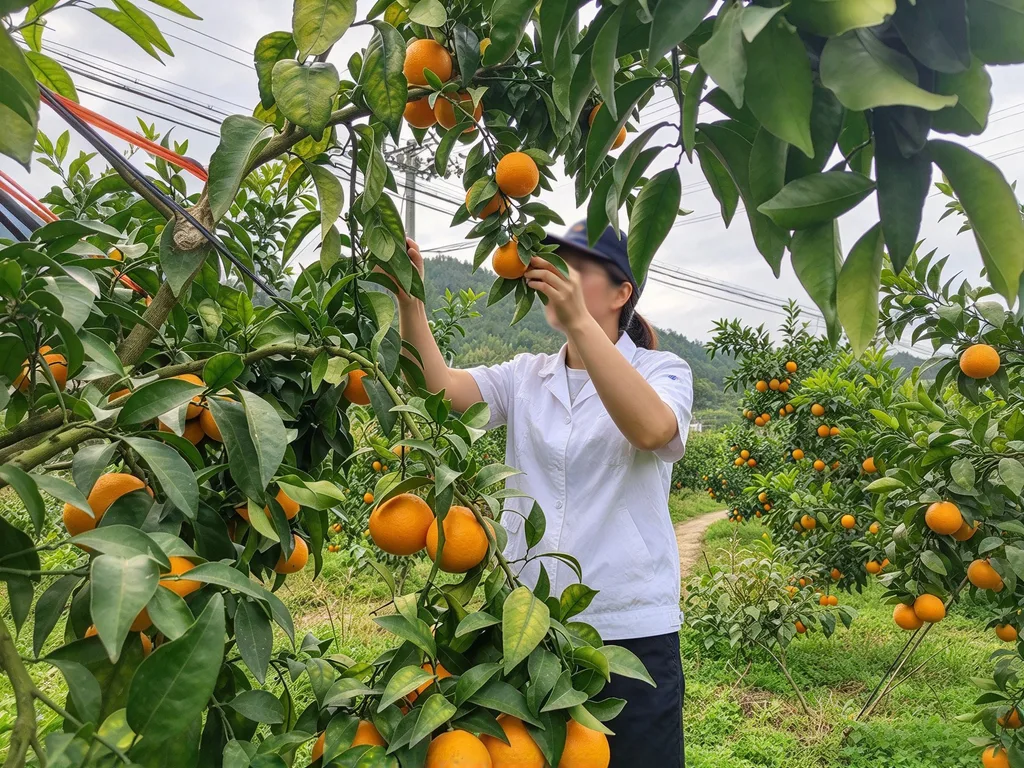
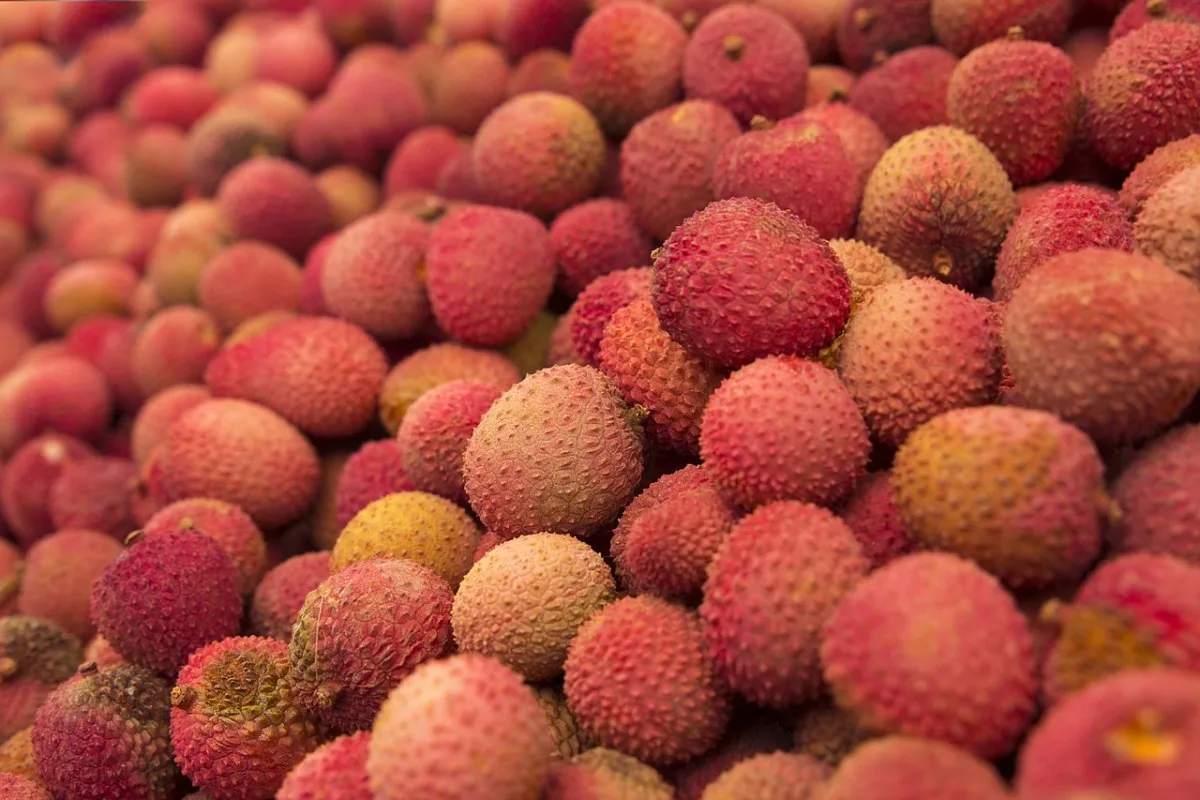
Recently, a number of distinctive tropical species in Hainan including durian, rambutan and alpinia oxyphylla have been added to the agricultural plant variety protection catalogue, which takes effect in November. This establishes an institutional framework for variety rights protection of Hainan’s tropical fruits, vegetables and southern medicinal crops, marking a key signal for the new round of transformation of the local tropical fruit industry.
Boasting rare tropical climate resources in China and a cluster of southern breeding research platforms, Hainan keeps introducing, trialing and domesticating various tropical fruits. Domestic durian, rambutan, pitaya and other varieties have gradually expanded from small-scale trial planting to commercial cultivation. Nevertheless, insufficient protection of variety intellectual property has, to some extent, dampened the willingness of breeding entities to keep investing and slowed the promotion of new varieties. The newly updated catalogue makes up for this weak link. It helps encourage research institutions and growers to keep investing in improved variety breeding, and advance coordinated progress in variety innovation and standardized planting.
While the variety protection policy is being implemented, another core development line of Hainan’s tropical fruit sector lies in the coordinated development of brand systems and circulation networks. Centered on the three-year action plan to elevate the regional public brand “Hainan Fresh Produce”, the province keeps rolling out the “one product, one code” traceability system, deploying field cold storage facilities and pre-cooling hubs, and improving the island-wide cold chain trunk lines and outbound warehouses. These efforts help cut post-harvest losses of fresh fruits and stabilize cross-provincial supply capacity. A batch of local fruits have been listed among the National Famous, Special, High-Quality and New Agricultural Products. Supported by the provincial public brand matrix, they connect with major domestic wholesale markets, supermarket chains and online channels, gradually shifting from simple fresh fruit supply to standardized, branded contract farming.

Policy dividends from the Hainan Free Trade Port also unlock new opportunities for the tropical fruit industry. Supported by policies on value-added processing, Hainan is exploring the model of “global seed introduction plus local processing”. Beyond fresh fruit sales, primary and deep processing businesses such as dried fruits, fruit pulp and pre-made fruit beverages are growing, extending the industrial chain and mitigating price fluctuations caused by concentrated fresh fruit harvests. Integrated agriculture-tourism projects are also developing. Demonstration bases for tropical fruits combine seedling popular science and picking experiences, stretching industrial benefits into the tertiary sector.
Despite positive industry momentum, multiple practical challenges remain. Short shelf life and concentrated harvest periods of tropical fresh fruits often lead to mismatched supply and demand and high logistics costs. Standardization levels vary across some categories, and market recognition for premium quality at fair prices still needs continuous cultivation. Market acceptance of new varieties, supporting cultivation techniques and growers’ management capabilities also require gradual improvement over time.
As a service provider rooted in Hainan’s producing areas, we keep track of industrial updates covering variety iteration, production standards, cold-chain circulation and brand traceability. We cooperate with planting cooperatives and farm households to deliver services including variety protection, standardized sorting, origin traceability and order matching at the farm level. Within this policy window, we work with local partners to translate advantages in improved varieties into steady quality strengths, and help Hainan tropical fresh fruits reach markets across China and overseas more smoothly.
In the next phase, the focus of Hainan’s tropical fruit industry will shift from area expansion to coordinated development of variety innovation, quality control, brand operation and circulation support. The enforcement of variety protection lays a foundation for long-term industrial innovation, and brings new cooperation opportunities for origin service providers, growers and brand operators.