Hainan Free Trade Port’s tropical agriculture is blessed with favorable climate and geographic conditions. Nevertheless, long-standing challenges including scattered smallholder farming, fragmented farm plots, inconsistent harvesting standards and extended supply chains have made it difficult for many high-quality local agricultural goods to build reliable market recognition. Traceability is far more than a simple QR code label. It represents a practical system running through production and distribution, rooted deep in farmland. Our team visited Wenchang pepper plantations, Chengmai sweet potato fields and tropical fruit sorting facilities to document the real-world implementation of origin traceability across Hainan’s rural areas.
Unlike large-scale standard farms equipped with out-of-the-box digital management, a large share of Hainan’s specialty crops come from individual smallholders. These farmers are skilled in crop maintenance yet often lack habits of standardized record-keeping. This constitutes the core difficulty in rolling out traceability: traceability cannot be merely tagging finished goods at a later stage. It starts from sowing and field management, the application of agricultural inputs and daily farm logs, so that production data can be properly archived. During field visits, we observed the gradual linkage of compliance certificates and traceability codes. Information on farm plots, farming activities and rapid test results is tied together to fit smallholders’ production rhythm and lower their barriers to participation.
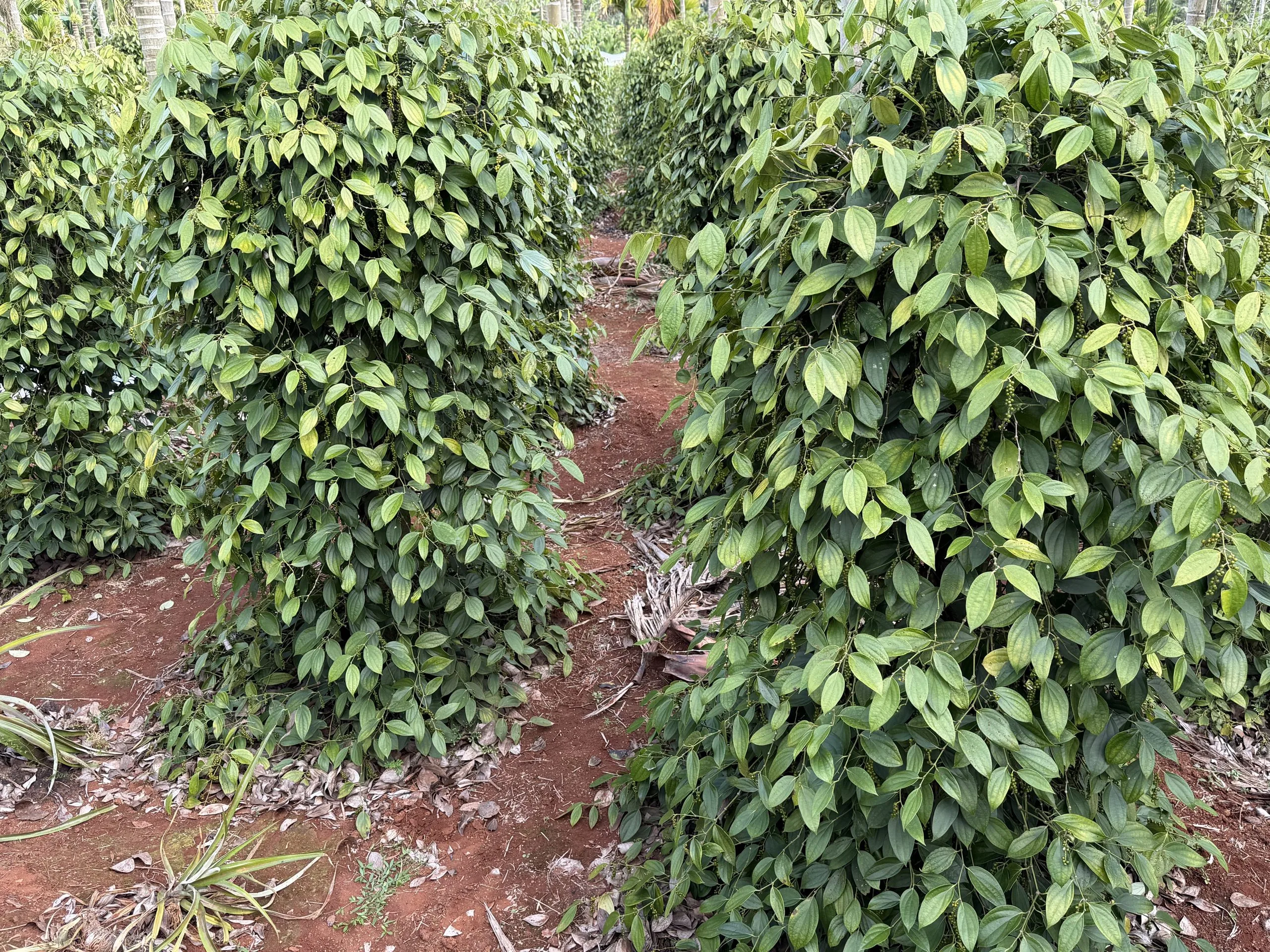
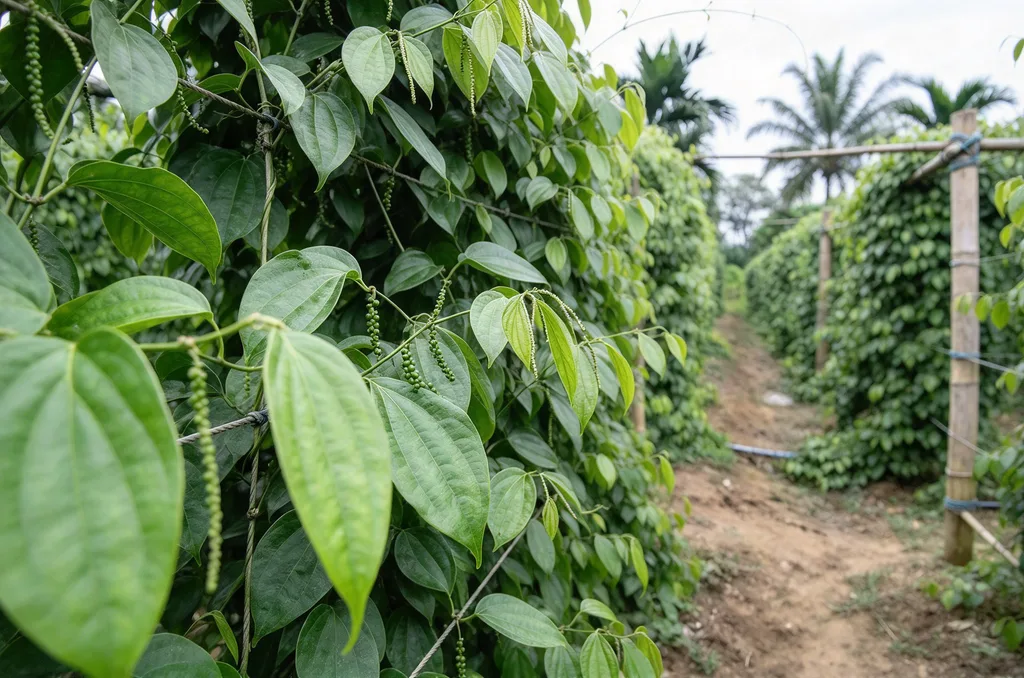
In Wenchang pepper growing areas, traceability is carried out alongside farming schedules. Each pepper orchard is first filed with records covering soil conditions, water sources and planting years. With support from technical staff, farmers document pruning, water and fertilizer management, and pest control activities. After harvesting, batch codes are assigned at primary processing, with timestamps for washing, sun-drying and sorting logged simultaneously. Codes keep circulating through warehousing and packaging, and are eventually printed on product packages. When consumers scan the code, they can view information about the origin plot, farming records, rapid residue test reports and processing batches, tracing the whole journey of pepper from orchard to parcel.
Tropical fruits follow a different traceability logic. Mangoes, wax apples and pineapples undergo post-ripening, and harvest maturity directly affects flavor quality. At local sorting centers, traceability systems store not only basic farming data, but also records of harvest ripeness grades, sorting classification, cold-chain storage temperature and outbound delivery time. Such data helps distributors manage quality control and addresses market concerns over premature picking and artificial ripening. Crops such as Chengmai bridge sweet potatoes and winter vegetables in Sanya are exploring traceability at finer granularity, with one code per bundle of vegetables or one code per batch of sweet potatoes to accommodate diverse circulation patterns.
At the provincial level, Hainan continues to advance an integrated framework featuring standards, certification, testing and traceability. The “Hainan Fresh Goods” public brand is matched with a one-item-one-code system, gradually connecting data across bases, testing labs, processing warehouses and distribution channels. Third-party certification is also incorporated to build trust for products supplied to the Greater Bay Area and overseas markets. Still, practical hurdles remain. Unstable network signals in remote villages hinder real-time field data uploads. Farmers of different age groups show varying familiarity with digital tools. Data interfaces for traceability platforms across cities and counties are still being connected, and isolated data silos have not been fully resolved. Traceability development is not a one-off project. It requires sustained on-site services that balance digital tools and traditional farming routines.
As an agricultural service provider rooted in Hainan’s producing areas, our focus on traceability extends beyond system development. Our agronomy and quality control teams regularly visit rural farms, assisting farmers in completing farm logs and explaining the value of traceability records. We support on-site rapid testing during harvest seasons and upload test results in a timely manner. In primary processing and warehousing, we enforce batch segregation and accurate code binding to avoid mixed batches that compromise traceability authenticity. The traceability system also supports benefit-sharing arrangements: transparent origin records help premium agricultural products gain wider market acceptance, stabilize order volumes and reward farmers who follow standardized growing practices.
Traceability serves two ends. On one hand, it safeguards consumers’ right to know, making Hainan farm products verifiable. On the other hand, it drives standardized planting and field management. It cannot eliminate all uncertainties in the industry overnight, yet it converts invisible farm work into retrievable traceable information. The quality of tropical agriculture can thus be communicated beyond word of mouth.
Moving forward, we will keep aligning with Hainan’s agricultural product quality and safety supervision system. We plan to optimize lightweight traceability solutions tailored for smallholders, refine batch management standards for multiple crop categories, and cooperate with research institutions, cooperatives and distribution partners to solidify origin traceability. Every Hainan specialty shipped out will carry clear, authentic origin credentials.