Leveraging its unique tropical climate, the Nanfan breeding foundation and the policy advantages of Hainan Free Trade Port, Hainan’s featured tropical agriculture is gradually shifting from raw material export to integrated collaborative development covering “breeding, cultivation, post-harvest processing, cold-chain distribution, brand operation and cross-border trade”. By shoring up weaknesses and strengthening connections across all links of the industrial chain, the comprehensive value of tropical agriculture keeps being unlocked, offering a practical path for the long-term growth of rural industries.
Seed industry marks the starting point of the tropical agricultural industrial chain. As home to the Nanfan Silicon Valley, Hainan hosts generation-adding and breeding trials for a large number of crop varieties across the country. Many new lines of tropical fruits, vegetables and cash crops complete trial planting and domestication here. Continuous investment in the seed sector helps producing areas optimize their variety structure. Beyond traditional categories such as Wenchang pepper, coconut and coffee, new featured fresh fruits and vegetables adaptable to market demand are cultivated steadily to supply downstream production with stable and high-quality seedlings. Meanwhile, many market operators are exploring pre-order models, guiding variety selection and planting planning based on market feedback to reduce fluctuation risks caused by asymmetric supply and demand information.
In field cultivation, standardized and eco-friendly management has become the core focus for industrial quality improvement. More bases are introducing soil monitoring, green pest control, integrated water and fertilizer management and other technologies. Supported by agricultural technical services and unified pest management and other socialized services, the basic quality of fruits and agricultural products is maintained steadily. Different from scattered individual farming, cooperatives, planting bases and enterprises work together to implement planting standards in fields. In tandem, on-site testing at production sites, edible agricultural product certificates and traceability registration mechanisms are carried out, laying a foundation for subsequent grading, sorting and brand authorization. Geographical indication resources are being developed in an orderly manner, enabling featured products including Wenchang chicken, Xinglong coffee and Qionzhong green orange to build distinctive regional recognition.
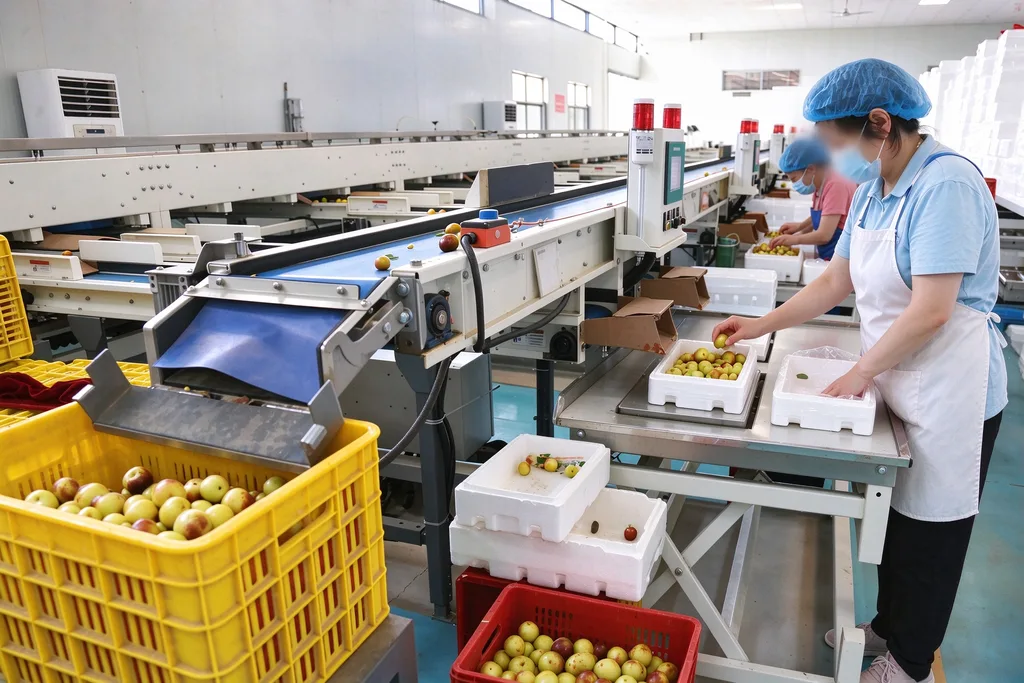
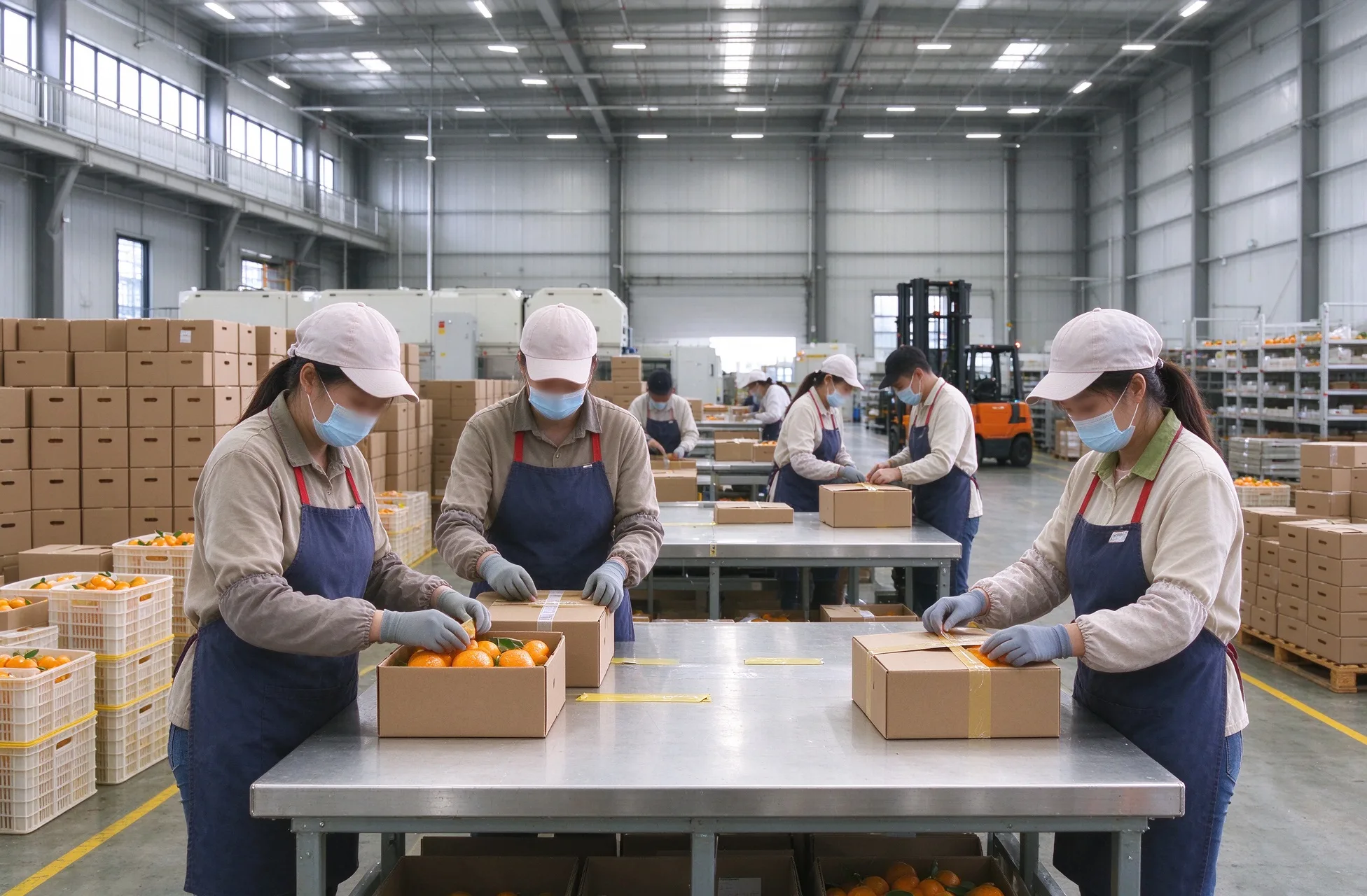
Post-harvest handling serves as a critical link that Hainan’s agricultural industrial chain is accelerating to improve. Tropical fresh produce generally features a short shelf life and relatively high spoilage rate during transportation. Previously, many producing areas only adopted simple picking and packing, leaving limited room for value addition. Today, field pre-cooling stations, automatic sorting lines, modified-atmosphere packaging and fresh-lock processing facilities are gradually put into service. Fresh fruits and agricultural products are cooled, graded, inspected and packaged near the farm right after harvest, sorted by size, sugar content and appearance to match different distribution channels and product forms. Some categories are further processed into dried fruits, puree, seasoning raw materials and pre-made products to extend the sales cycle and ease price swings during peak marketing seasons. For pepper, coffee and other products, operators are exploring new models under the Free Trade Port processing value-added policy, allowing raw materials from home and abroad to be processed in the same factory, extending processing chains and lifting product premium potential.
The cold-chain and distribution network determines how far Hainan agricultural goods can travel. A multi-level cold-chain system is taking shape across the island, with regional cold-chain distribution hubs linked to field cold storage facilities in producing areas, trunk cold-chain transport, ports and air cargo capacity, as well as outbound warehouses in destination markets, forming cross-regional circulation networks. This system shortens the transit time from farms to destination markets, supermarkets and e-commerce warehouses, effectively cutting distribution losses. Multiple sales channels run in parallel, including online e-commerce, live-streaming at origins, offline wholesale markets, chain supermarkets and catering supply chains. Models such as origin traceability live streaming and direct supply from farms also allow consumers to witness production processes intuitively, creating direct communication channels between producers and buyers. Supported by RCEP and streamlined customs clearance in the Free Trade Port, selected high-quality agricultural products are steadily reaching markets in Southeast Asia, the Middle East and other regions overseas.
Brand building and traceability systems form the trust link running through the whole industrial chain. Centered on the provincial regional public brand “Hainan Fresh Products”, the integrated management model of “standards, certification, testing and traceability” keeps advancing. Leading categories such as pineapples and Qiaotou sweet potatoes have released group standards and adopted one-code traceability for each product. Information of planting, testing, processing and distribution is recorded in traceability files to realize traceability of sources and destinations. Under the public brand framework, corporate proprietary brands and single-product regional brands develop side by side, easing homogenized low-price competition and driving the industry to transform from selling primary agricultural products into standardized branded commodities.
During the upgrade of the industrial chain, many areas remain to be improved. The overall scale of intensive deep processing of local agricultural products can still be expanded. Small and medium operators show uneven capacity in standardization. Cold-chain outlets are not evenly distributed, and there is a shortage of talents for brand operation and cross-border market development. These are common challenges for the whole sector. It shows that the development of Hainan’s agricultural industrial chain is not merely the renovation of individual links, but requires continuous coordination among seed suppliers, planting bases, processing factories, logistics providers and brand operators.
Based on the geographic advantages of the Free Trade Port, the long-term direction of Hainan’s tropical agricultural industrial chain is to break down barriers between different links and build a stable and resilient industrial ecosystem. We are deeply engaged in Hainan’s origin supply chain, cooperating with planting bases, processing factories, cold-chain service providers and brand channels. Through standardized management and traceability systems as well as stable supply-demand docking, we help unlock the value of Hainan’s featured agricultural products, so that high-quality local produce can reach consumers across China and overseas steadily.